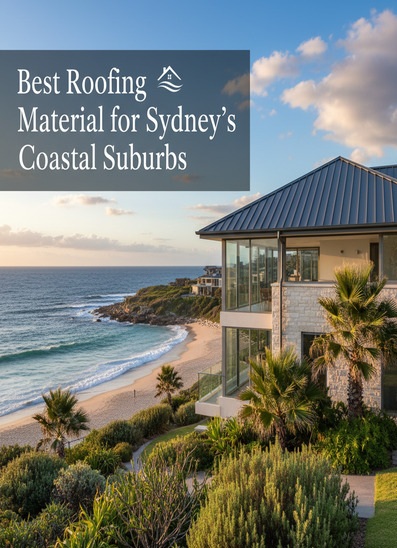
Sydney’s coastal suburbs are some of the most beautiful places to live. Homes in areas like Bondi, Coogee, Maroubra, Manly, and Cronulla enjoy sea views, breezes, and bright light almost all year. Yet the same elements that make these areas appealing also make them harsh on roofs. Salt, humidity, sunlight, and wind all combine to test even the toughest materials.
Choosing the right roofing material in a coastal zone is not just about looks. It affects how long your roof lasts, how much maintenance it needs, and how comfortable your home feels inside. This guide explains which roofing materials perform best in Sydney’s coastal environment and how to keep them strong for decades.
Why Coastal Roofing Requires Special Consideration
Homes near the sea face conditions that inland houses never encounter. Airborne salt settles on roofs and gutters, creating corrosion. Sea spray adds moisture that mixes with oxygen to accelerate rust on unprotected steel. Strong coastal winds lift debris, loosen fasteners, and drive water into tiny openings.
Humidity is also higher along the coast, which means roofs stay damp longer after rain. The extra moisture can cause metal to degrade, tiles to stain, and fasteners to corrode. The combination of salt and moisture is what makes roofing in Sydney’s coastal suburbs a specialised challenge.
Key Factors When Choosing a Coastal Roof
The best roof for a coastal home balances strength, corrosion resistance, and beauty. Each material must handle moisture, sunlight, and wind without losing its integrity or colour.
Salt and Corrosion Resistance
Salt is the most damaging factor in marine environments. Fine salt particles travel kilometres inland, settling on metal surfaces. When not washed away, these crystals eat through paint and coatings. Choosing marine-grade materials like Colorbond Ultra, aluminium, or stainless steel ensures longer life and reduced maintenance.
UV and Heat Resistance
Sydney’s sunlight is strong, especially along open coastal stretches. Ultraviolet rays fade colours and weaken protective coatings. Reflective finishes and heat-resistant paints help reduce fading and maintain cooler roof temperatures. Light colours such as white, pale grey, or sand perform best for both appearance and energy efficiency.
Wind and Storm Durability
Coastal suburbs experience frequent gusts and occasional storms. Roofing must resist uplift pressure and prevent wind-driven rain from entering joints. Metal panels with concealed fasteners and well-secured flashing systems perform better under these conditions than loose tiles or overlapping sheets.
Aesthetic Integration with the Environment
Coastal architecture often blends natural colours, open designs, and bright finishes. Roof materials should complement this look while surviving the marine climate. Modern profiles like standing seam or Klip-Lok steel suit contemporary homes, while terracotta and slate fit classic coastal styles.
Best Roofing Materials for Sydney’s Coastal Climate
No single material suits every coastal property, but several have proven reliable in Sydney’s seaside suburbs. Below are the most common options and their performance characteristics.
Colorbond Ultra Steel Roofing
Colorbond Ultra is specifically formulated for coastal and industrial environments. It uses a metallic zinc-aluminium coating combined with a durable paint system that seals out salt and moisture. Its corrosion resistance makes it ideal for homes within 100 to 200 metres of the shoreline.
This roofing offers a range of colours inspired by Australia’s landscape. It resists fading and provides excellent heat reflection when using lighter shades. Colorbond Ultra also suits complex roof shapes due to its flexibility and lightweight structure.
Zincalume Roofing
Zincalume is a mix of aluminium, zinc, and silicon that forms a tough protective layer over steel. It provides good corrosion resistance but performs best when the property is at least several hundred metres from direct sea spray. It is more affordable than Colorbond Ultra but less durable in very salty air.
For homes slightly inland, Zincalume offers a clean, modern look with less maintenance than standard galvanised steel. Its reflective finish also helps reduce heat build-up.
Aluminium Roofing
Aluminium is naturally non-corrosive and lightweight, making it an excellent choice for marine settings. It forms a thin oxide layer that prevents further corrosion even if the surface is scratched. This makes it one of the most reliable metals for coastal use.
Aluminium roofing can be shaped into panels or tiles, offering a sleek, modern appearance. It costs more than standard steel but pays off with low maintenance and long life.
Terracotta Roof Tiles
Terracotta tiles have been used in coastal areas for generations. Made from natural clay and fired at high temperatures, they are resistant to salt, wind, and UV exposure. Their colour is baked in rather than painted on, so fading is minimal.
Terracotta tiles also allow air circulation beneath the surface, helping to regulate temperature. They are heavier than metal but provide a traditional and timeless appearance that suits many Sydney coastal homes.
Concrete Roof Tiles
Concrete tiles are cost-effective and durable when sealed properly. They resist heat and wind well but require maintenance to prevent surface wear and staining from salt. Applying sealants and cleaning regularly extends their lifespan.
Their weight helps anchor the roof during high winds, but this also means extra structural support is needed. Concrete tiles suit homes further back from direct sea exposure or where budget is a key factor.
Slate Roofing
Slate is one of the most durable and attractive materials available. It is non-porous, fire-resistant, and unaffected by salt or humidity. A well-installed slate roof can last over a century, making it ideal for premium coastal properties.
The natural variation in slate gives roofs a unique texture and elegance. However, it is the heaviest and most expensive option, requiring strong framing and skilled installation.
Comparing Coastal Roofing Materials by Performance
Choosing between materials requires understanding how each performs in real coastal conditions.
Corrosion Resistance and Durability
Colorbond Ultra and aluminium rank highest for corrosion protection, followed by slate and terracotta. Zincalume offers good resistance but is best kept away from direct sea spray. Concrete tiles and standard steel should always be coated or sealed to prevent early wear.
Maintenance Requirements
Metal roofs benefit from occasional rinsing to remove salt build-up. Tiles require cleaning to prevent moss or mould growth. Slate needs minimal care apart from checking flashing and fixing nails every few years.
In Sydney’s coastal air, a roof that can be easily cleaned and maintained will always outperform one that relies on constant re-coating.
Weight and Structural Load
Metal roofing is lightweight, reducing structural stress and installation time. Tiles and slate are heavy and need reinforced framing. Heavier roofs perform well in high winds but increase overall building cost.
Energy Efficiency
Reflective metal roofs and light-coloured tiles reduce heat absorption and keep homes cooler. Terracotta’s natural insulation helps stabilise indoor temperatures. Dark roofs should be avoided in coastal areas because they absorb excess heat.
Cost and Long-Term Value
Concrete tiles and Zincalume provide affordable entry options. Colorbond Ultra and aluminium cost more initially but last significantly longer in marine environments. Slate and terracotta command higher prices but offer unmatched longevity and aesthetics.
Roof Design and Installation Considerations
The right material will fail if installed incorrectly. Coastal roofs must be properly fastened, ventilated, and sealed to withstand harsh conditions.
Correct Fastening and Flashing
Fasteners, screws, and clips must be stainless steel or marine-grade to prevent galvanic corrosion. Joints and flashing should be sealed tightly to prevent water ingress during storms. Concealed-fix systems like Klip-Lok prevent exposed screw points where salt can settle.
Ventilation and Insulation
Moisture trapped beneath the roof can lead to mould and rust. Proper ventilation allows air to circulate, drying the space after rain. Insulation beneath metal roofs reduces condensation and maintains thermal comfort.
Gutter Systems and Water Drainage
Coastal rain can be heavy, and gutters often fill with salt and debris. Choose wide, corrosion-resistant gutters with leaf guards to prevent blockage. Downpipes should direct water away from the house foundation to avoid erosion and staining.
Local Council and Compliance Standards for Coastal Roofing
Sydney councils and the National Construction Code (NCC) set clear guidelines for roofing in marine environments. These rules ensure materials perform safely and meet energy efficiency targets.
BASIX and Energy Requirements
The Building Sustainability Index (BASIX) measures a building’s environmental performance. Coastal homes with reflective roofing and proper insulation often achieve better BASIX scores because they reduce heat gain and energy use.
AS 1562.1 and AS 2050
AS 1562.1 covers design and installation standards for metal roofs, including fastening, drainage, and thermal movement.
AS 2050 applies to tiled roofs, ensuring tiles are laid and fixed to resist strong winds. Both standards are critical for coastal projects where storms are frequent.
Coastal Exposure Zone Ratings
Sydney’s coastal suburbs fall within specific exposure zones defined by proximity to the ocean. Homes within 100 metres of breaking surf are in the highest corrosion category. Materials here must meet marine-grade ratings. Properties further inland face lower salt exposure but still require protective coatings.
Sustainability and Environmental Impact of Coastal Roofing
Modern roofing design balances durability with environmental responsibility. Homeowners increasingly choose materials that can be recycled and contribute to energy savings.
Below are some sustainable roofing options:
Recyclable Roofing Materials
Steel, aluminium, and copper can be recycled endlessly without losing quality. Recycled metal roofing reduces environmental impact and conserves raw materials. Terracotta tiles can also be crushed and reused in landscaping or new construction.
Reflective Coatings and Cool Roof Technology
Reflective finishes on Colorbond and aluminium roofs reduce surface temperature and improve indoor comfort. This lowers cooling energy demand, which benefits both the environment and your electricity bills.
Solar Integration on Coastal Roofs
Solar panels work efficiently in coastal zones but need corrosion-resistant mounts and brackets. Metal roofs are easiest for installation because panels can attach directly to seams. Tiles and slate require additional hardware to ensure waterproof sealing.
Common Mistakes to Avoid in Coastal Roofing Projects
Even high-quality materials can fail if mistakes are made during design or installation. Avoiding these errors protects your investment.
Using Standard Steel Instead of Marine-Grade
Ordinary steel corrodes quickly in salty air. Always choose Colorbond Ultra, stainless steel, or aluminium for coastal applications. Saving money upfront on cheaper metal leads to expensive roof repairs later.
Ignoring Proper Sealants and Fasteners
Incorrect fasteners create small electrochemical reactions that cause rapid rusting. All screws, nails, and brackets should be stainless steel or coated for marine conditions.
Neglecting Regular Cleaning and Inspections
Salt deposits form even on corrosion-resistant materials. Rinsing your roof every few months helps preserve coatings. Annual inspections detect early damage before it becomes costly.
Maintenance Tips for Coastal Roof Longevity
Regular care extends the life of any coastal roof. Simple routines prevent major damage and keep your home looking its best.
Scheduled Washing and Salt Removal
Hose down metal roofs at least twice a year to remove salt build-up. Use fresh water and avoid harsh detergents that may strip protective coatings. Homes within 200 metres of the sea may need washing every three months.
Inspecting Flashing and Seal Points
Check flashing, valleys, and joints after heavy rain or strong winds. Look for lifting, cracks, or signs of corrosion. Early repairs stop water from reaching the roof cavity.
Repainting and Recoating
Reapply protective coatings every 15 to 20 years depending on exposure. Repainting not only refreshes appearance but also seals the surface against further corrosion.
Professional Roof Inspections
A licensed roofer can identify issues invisible from ground level. Schedule a professional inspection every two years or after major storms. Their reports can also help maintain insurance coverage.
Key Takeaways for Sydney Coastal Homeowners
- Choose marine-grade materials like Colorbond Ultra or aluminium for best corrosion protection.
- Ensure fasteners and flashing are stainless steel.
- Keep roofs clean to remove salt and debris.
- Lighter colours reflect sunlight and reduce heat gain.
- Follow AS 1562.1 and AS 2050 for correct installation.
- Plan professional inspections every two years.
- Proper design and care guarantee decades of durability and visual appeal.
Conclusion
Living near the ocean offers incredible views and lifestyle benefits, but it also means your roof faces constant exposure to salt, wind, and moisture. Choosing the right material makes all the difference. Colorbond Ultra, aluminium, and terracotta stand out as strong performers for Sydney’s coastal homes, combining resilience with timeless appeal.
A well-maintained coastal roof protects your home and enhances its value for many years. By investing in marine-grade materials, proper installation, and regular cleaning, you ensure your roof can handle Sydney’s challenging coastal climate while maintaining the charm that makes these seaside suburbs so desirable.
Frequently Asked Questions
What roofing material lasts the longest near the ocean?
Slate and aluminium provide the longest lifespan in marine conditions. Slate can last more than 100 years, while aluminium can exceed 70 with minimal corrosion or maintenance.
How far from the beach does Colorbond Ultra protection apply?
Colorbond Ultra is recommended for homes within 200 metres of breaking surf. It performs well up to about 400 metres inland but should always be rinsed regularly if exposed to salty winds.
Can regular Colorbond be used in coastal areas?
Standard Colorbond performs well in mild coastal zones but may corrode quickly near direct sea spray. Always choose Colorbond Ultra for properties in high-salt areas.
Do terracotta tiles resist salt damage?
Yes. Terracotta’s baked-on glaze makes it non-porous and resistant to salt and moisture. This is why it remains a favourite for traditional coastal homes.
Is metal roofing noisy during coastal storms?
When properly insulated, modern metal roofs are not excessively noisy. Acoustic blankets and ceiling insulation absorb sound effectively, keeping interiors quiet even during heavy rain.
How often should I clean my roof in coastal suburbs?
Metal roofs near the sea should be rinsed every three to six months to remove salt. Tile and slate roofs can be cleaned once or twice a year to remove moss and debris.
What colours perform best in Sydney’s coastal climate?
Lighter colours like white, surfmist, and light grey reflect sunlight and reduce heat gain. They also minimise fading and keep interiors cooler during summer.
Are solar panels suitable for coastal homes?
Yes. Solar panels work well if installed with corrosion-resistant fittings and maintained regularly. Metal roofs make installation easier and more secure.
Can coastal roofs be painted or recoated?
Yes. Repainting every 15 to 20 years restores appearance and protective coatings. Always use marine-grade paints designed for high salt exposure.
What is the most cost-effective roofing option for coastal Sydney?
Zincalume or concrete tiles provide good affordability, but for long-term performance, Colorbond Ultra or aluminium offers better value due to lower maintenance and longer lifespan.