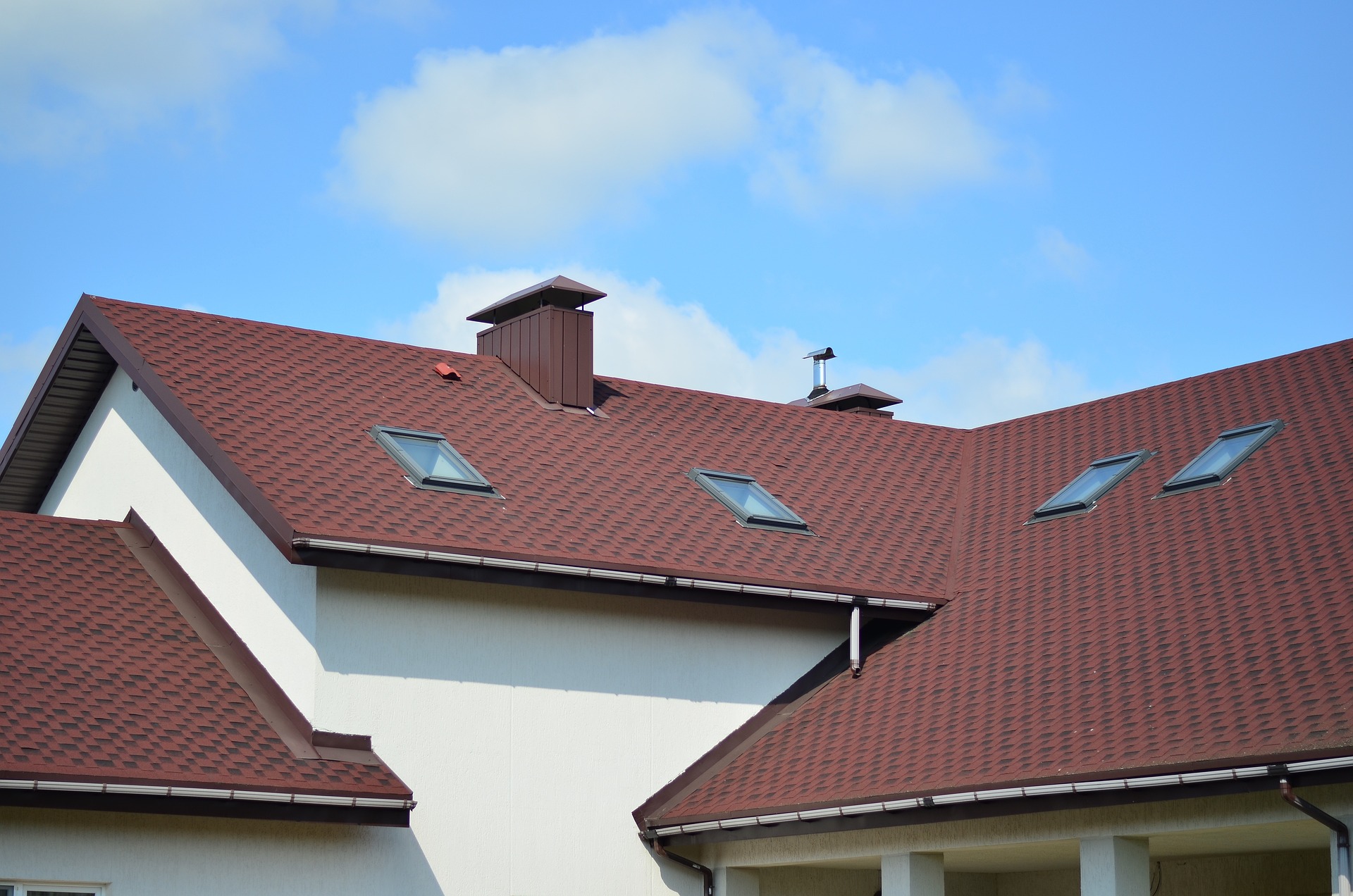
A roof can develop problems long before the signs become obvious from ground level.
Roofing Today provides roof inspection services across Sydney for homeowners, property managers and businesses that want a clearer understanding of their roof’s condition before deciding what work, if any, may be required.
An inspection can help identify visible deterioration, damaged roofing materials, flashing problems, drainage issues, signs of water entry and other areas that may need further attention.
Depending on what is found, the next step may involve roof repairs, roof maintenance, roof restoration or, where deterioration is more extensive,roof replacement.
When Should You Arrange a Roof Inspection?
You do not necessarily need to wait until water is coming through the ceiling before having a roof checked.
Roof inspections can be useful when there are signs of deterioration, after severe weather, before planning major roofing work or when the condition of an older roof is uncertain.
You may consider arranging an inspection if:
- You have noticed a roof leak or internal water staining
- Tiles appear cracked, broken or displaced
- A metal roof shows visible corrosion or damaged sheets
- Flashings appear loose or deteriorated
- Gutters are repeatedly overflowing or collecting roofing debris
- The roof has sustained storm or wind damage
- Previous repairs have not resolved recurring problems
- The roof has not been professionally checked for an extended period
- You are considering restoration or replacement
- You manage a commercial property that requires ongoing roof maintenance
The purpose of the inspection is to establish what is actually happening before deciding on a repair or replacement strategy.
Contact Roofing Today
Fill out our quick form to receive a personalised quote:

What Does a Roof Inspection Look For?
The exact scope depends on the roof, property type and reason for the inspection, but several areas may be considered.
Roofing Materials
The condition of tiles, metal sheets and other exposed roofing materials can indicate whether there is isolated damage or more widespread deterioration.
On tiled roofs, this may include cracked, displaced or deteriorated tiles.
On metal roofs, the inspection may consider corrosion, damaged sheets, fixings and other visible signs of wear.
Ridge Capping and Roof Junctions
Ridge areas and roof junctions are exposed to weather and can deteriorate over time.
An inspection can identify visible cracking, movement or other conditions that may require repair or restoration.
Flashings
Flashings help manage water around roof penetrations, walls, valleys and junctions.
Loose, damaged or deteriorated flashing can contribute to leaks even when the surrounding roofing materials appear sound.
Valleys and Drainage Areas
Roof valleys carry significant volumes of water during rainfall.
Debris, deterioration or damage in these areas can interfere with drainage and contribute to water entry.
Roof Penetrations
Areas around vents, skylights, pipes and other roof penetrations may be checked for visible deterioration or potential water-entry points.
Gutters and Downpipes
Roof drainage is closely connected to overall roofing performance.
Inspection may identify blocked, damaged or deteriorated guttering that could require gutter maintenance or other drainage work.
Signs of Water Entry
Where there are reported leaks or visible moisture problems, the inspection can help narrow down possible entry points.
It is important to identify the source of the problem rather than assuming the nearest visible stain is directly below the roof defect.
Roof Inspections for Leaks
Roof leaks can be difficult to diagnose because water may travel along roof components before it becomes visible inside the building.
A stain on a ceiling does not always mean the roofing defect is immediately above it.
A roof inspection may consider possible causes such as:
- Broken or displaced tiles
- Damaged flashing
- Deteriorated seals around penetrations
- Valley problems
- Corrosion on metal roofing
- Blocked or overflowing drainage
- Previous repairs that have failed
- Storm-related damage
Where the issue is localised, targeted roof repairs may be sufficient.
If the problem requires urgent attention following significant water entry or weather damage, visit our Emergency Roof Repairs page.
Roof Inspections After Storm Damage
Sydney storms can expose roofing weaknesses or cause new damage through heavy rain, strong winds and debris.
After severe weather, a roof inspection can help determine whether roofing materials, flashings, gutters or other components have been affected.
Possible storm-related issues include:
- Dislodged or broken tiles
- Damaged metal roofing sheets
- Loose flashings
- Debris impact
- Blocked drainage
- Water penetration
- Damage around roof penetrations
- Previously minor defects becoming more significant
Not every storm-affected roof requires major work. The inspection helps distinguish between isolated repairs and more extensive damage.
Where immediate work is needed to reduce further water entry, emergency roof repairs may be considered before permanent repairs are completed.
Tile Roof Inspections
Concrete and terracotta tiled roofs can develop different issues as they age.
An inspection may identify:
- Cracked tiles
- Broken tiles
- Displaced tiles
- Deteriorated ridge capping
- Valley problems
- Flashing defects
- Moss, debris or other accumulation
- Evidence of previous repairs
- Visible signs of water entry
A small number of damaged tiles does not necessarily mean the roof needs replacing.
Depending on the overall condition, the next step may involve repairs, maintenance or restoration.
For broader information about tiled roofing systems, our Tile Roofing service page will cover concrete and terracotta roofing in more detail.
Metal Roof Inspections
Metal roofs can also develop problems that are difficult to assess from ground level.
Areas that may require attention include:
- Corrosion
- Damaged sheets
- Loose or deteriorated fixings
- Flashing problems
- Seal deterioration
- Roof penetrations
- Drainage points
- Previous patch repairs
Where damage is isolated, repair may be possible. More widespread deterioration may require a different approach.
Visit Metal Roofing for more information about metal and Colorbond roofing.
Residential Roof Inspections
For homeowners, roof inspections can provide useful information when the roof is leaking, ageing or showing signs of deterioration.
An inspection can also help before committing to more substantial roofing work.
Rather than beginning with the assumption that a particular service is needed, the condition of the roof can be assessed first and the available options considered from there.
Roofing Today provides access to a broader range of Residential Roofing services across Sydney.
Commercial Roof Inspections
Commercial roofs may require more systematic inspection because roofing problems can affect larger areas, multiple occupants or ongoing business operations.
Factors that may need consideration include:
- Large roof areas
- Flat or low-slope sections
- Drainage systems
- Roof penetrations
- Plant and equipment
- Access points
- Flashings and junctions
- Signs of ponding or water entry
- Existing repair history
Regular assessments may also form part of a broader commercial roof maintenance program.
Visit Commercial Roofing for an overview of commercial roofing services.
Roof Inspection and Ongoing Maintenance
An inspection does not always lead to major repairs.
Sometimes the useful outcome is identifying smaller maintenance issues before they become more disruptive.
For example, an assessment may indicate that a roof primarily requires:
- Replacement of several damaged tiles
- Minor flashing repairs
- Cleaning of drainage areas
- Gutter maintenance
- Small areas of corrosion treatment or repair
- Attention to roof penetrations
- Scheduled monitoring of ageing areas
Our Roof Maintenance service covers ongoing roofing care where complete restoration or replacement is not required.
Why Roof Inspections Matter
The main benefit of inspecting a roof is that it provides more information before money is committed to a larger roofing project.
Without an assessment, it can be difficult to know whether a visible problem represents a small localised defect or something affecting a broader section of the roof.
A roof inspection can help:
- Identify visible defects
- Investigate possible sources of leaks
- Establish the extent of deterioration
- Prioritise repairs
- Determine whether maintenance may be sufficient
- Assess whether restoration remains suitable
- Identify circumstances where replacement may need to be considered
- Provide a clearer basis for discussing the next stage of work
The aim is not to recommend the largest possible roofing job. It is to determine what the roof condition indicates.

Why Choose Roofing Today for a Roof Inspection?
Roofing Today provides access to roofing services across Sydney for residential and commercial properties.
Where an inspection identifies work that may be required, the broader roofing service network can support roof repairs, roof restoration, roof replacement, roof maintenance, metal roofing, gutter maintenance, residential roofing and commercial roofing.
This allows the inspection to act as a starting point rather than requiring the property owner to decide in advance which roofing service they need.
Areas We Serve
Roofing Today provides access to roof inspection and roofing services across Sydney and surrounding NSW regions.
Explore roofing services across Sydney, the Eastern Suburbs, the Parramatta Region, South West Sydney, Milperra, the Hills District, Epping Region, Wollongong, Menai and the North Shore.
Frequently Asked Questions About Roof Inspections
Do I need to have a leak before arranging a roof inspection?
No. Inspections can also be useful when a roof is ageing, following severe weather, before planning restoration or replacement, or when visible deterioration has been noticed from the ground.
Can a roof inspection tell me whether I need a new roof?
An inspection can help establish the extent of deterioration and whether repair, restoration or replacement should be considered. The recommendation depends on the condition of the roof rather than its age alone.
Should I have my roof inspected after a major storm even if I cannot see damage?
If the property has been exposed to significant weather and there is reason to suspect damage, an inspection can help identify issues that may not be obvious from ground level.
Can a roof inspection identify where a leak is coming from?
An inspection can help investigate likely sources of water entry, although roof leaks are not always directly above the internal signs of moisture. Water can travel through or along roof components before becoming visible.
Is a roof inspection the same as roof maintenance?
No. An inspection assesses the condition of the roof and identifies areas that may need attention. Roof maintenance involves the actual work required to maintain or address those areas.
Are commercial roof inspections different from residential inspections?
They can be. Commercial buildings may have larger roof areas, different drainage systems, flat or low-slope sections, plant and equipment, and different access requirements. The inspection should reflect the particular roof and building.