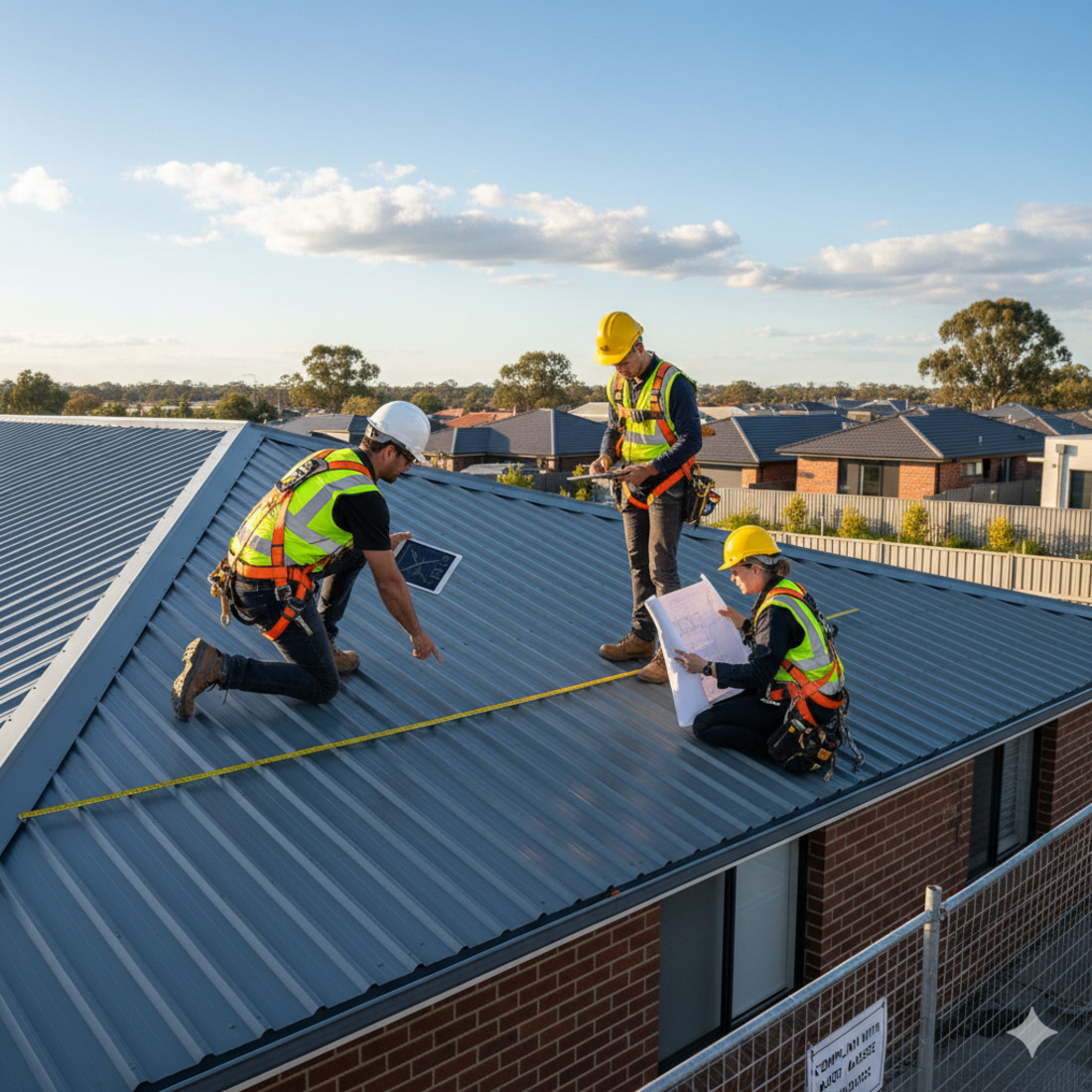
Roofing plays one of the most important roles in any building. It keeps you safe from harsh weather, protects your property from water damage, and affects how energy efficient your home is.
To make sure roofs in Australia are built safely and last a long time, the construction industry follows strict standards. Two of the most important are AS 1562.1 and AS 2050. These standards explain how roofing systems should be designed, installed, and maintained.
This guide will help you understand what these standards are, why they matter, and how to make sure your roof complies with them.
Why Roofing Standards Matter in Australia
Roofing standards are rules that help builders and roofers install roofs safely and correctly. They make sure your home can handle Australia’s wide range of weather conditions, from heavy rain and strong winds to extreme heat and coastal salt air. Without clear standards, roofing work could vary widely in quality and safety.
When your roof meets Australian standards, you gain confidence that it will perform as intended. These standards also protect you when it comes to insurance and council approval. Many insurers and local councils will only approve roofing work that complies with national standards. If your roof fails because of poor installation or non-compliant materials, it can lead to costly repairs or rejected claims.
Overview of the Key Standards
Australia has many construction standards, but two are essential for roofing work. AS 1562.1 focuses on metal roofing, and AS 2050 focuses on tiled roofing. Each one covers specific materials, design rules, and installation methods that ensure roofs remain safe and watertight.
What AS 1562.1 Covers
AS 1562.1 is called “Design and Installation of Sheet Roof and Wall Cladding – Metal”. It applies to roofs made from materials such as Colorbond or Zincalume steel. The standard outlines how metal roofing should be designed and installed to prevent leaks, corrosion, and structural failure.
It explains important design principles such as roof pitch, wind resistance, water runoff, and fastening techniques. For example, the minimum pitch for certain profiles is set to make sure water flows off the roof rather than pooling. The standard also specifies how fasteners should be chosen and positioned to avoid loosening or corrosion over time.
AS 1562.1 also includes thermal movement requirements. Metal roofs expand and contract when exposed to heat and cold. The standard helps installers allow for that movement so the roof stays secure and watertight through all seasons.
What AS 2050 Covers
AS 2050 is called “Installation of Roof Tiles” and covers both concrete and terracotta roof tiles. Its goal is to ensure tiled roofs are laid properly and remain stable in all Australian weather conditions.
The standard explains how tiles should be fixed to battens, how flashing must be installed, and how ridge capping should be secured. It sets out the minimum pitch required for different tile types and gives guidance on ventilation, drainage, and underlay materials.
AS 2050 also covers tile overlap, spacing, and alignment. When these details are ignored, water can leak through gaps or tiles can shift during high winds. Following this standard ensures that your tiled roof looks even, functions well, and stays secure for decades.
Differences Between AS 1562.1 and AS 2050
The main difference between these two standards lies in the materials they cover. AS 1562.1 deals with metal sheet roofing, while AS 2050 deals with tile roofing. Both aim to achieve the same outcome — a safe, watertight, and long-lasting roof — but the techniques and requirements are very different.
Metal roofs are lighter and require precise fastening systems to resist wind uplift and temperature changes. Tiled roofs are heavier and need secure anchoring to prevent movement. Climate also plays a role in deciding which standard applies. In coastal areas, for example, AS 1562.1 often has stricter corrosion control requirements due to salt exposure, while AS 2050 ensures tiles are secured against strong coastal winds.
Understanding which standard applies to your roof type is the first step toward compliance.
Key Compliance Requirements
Complying with Australian roofing standards is not only about following installation instructions. It also involves documentation, inspections, and professional responsibility.
Before starting a roofing project, builders or roofing contractors must confirm that all materials meet the relevant Australian Standards. For metal roofing, this includes verifying the manufacturer’s compliance with AS 1397 (steel sheet standards). For tiled roofs, it involves checking tile strength and water absorption ratings.
Local councils may require roof designs to be reviewed before work begins. Inspectors might check roof framing, tie-downs, flashing, and fasteners during and after installation. Keeping detailed records of your project, such as compliance certificates and supplier warranties, helps prove that the roof meets AS 1562.1 or AS 2050.
How These Standards Affect Your Roof Installation
When you hire a qualified roofer who follows Australian Standards and roofing regulations, your roof is more likely to perform well for many years. Properly designed and installed roofs resist leaks, rust, and uplift during storms. They also provide better energy efficiency and ventilation, keeping your home cooler in summer and warmer in winter.
Failure to follow the standards can lead to major problems. A metal roof installed without allowance for thermal movement may warp or pull fasteners loose. A tiled roof that does not meet AS 2050 pitch or fixing requirements may allow water ingress or suffer from tile displacement. Non-compliant work can also void manufacturer warranties and insurance coverage.
The Role of Builders, Roofers, and Certifiers
Each professional involved in your roofing project has a specific role in meeting Australian Standards.
- Builders ensure that the structure supporting the roof complies with design loads, tie-downs, and framing specifications.
- Roofers are responsible for installing materials according to AS 1562.1 or AS 2050, including fastener spacing, flashing details, and alignment.
- Building certifiers or inspectors review and approve work to ensure compliance with both the standards and local council codes.
Working with licensed professionals who understand these standards protects your investment and reduces future maintenance issues.
Practical Tips to Ensure Your Roof Meets Standards
You do not need to be a builder to make sure your roof complies with Australian Standards. By understanding a few key steps, you can take an active role in keeping your home safe and compliant. These steps help you verify quality, prevent costly mistakes, and make sure every part of your roofing project is handled correctly.
Ask for Compliance Certificates Before Work Begins
Manufacturers and roofing contractors should provide certificates confirming that materials and installation methods meet the relevant Australian Standards. These certificates show that the roofing products and systems used on your home have been tested and approved for local conditions. Keeping this documentation also helps if you ever need to make a warranty or insurance claim. It gives you peace of mind that the job starts on a solid and verifiable foundation.
Check Your Contractor’s Licence and Insurance
Before any work begins, confirm that your roofing contractor is properly licensed and insured. A licensed professional understands and follows standards such as AS 1562.1 and AS 2050, ensuring that the work is safe and compliant. Insurance coverage also protects you against property damage or injuries that may occur during installation. Taking a few minutes to verify these details helps you avoid future disputes or unexpected costs.
Review Your Quote Carefully
A detailed quote should list the materials being used and specify which Australian Standards apply to the work. It is important to check that these details match the type of roof you are having installed, whether it is metal or tiled. The quote should also describe how the contractor plans to meet drainage, fastening, and ventilation requirements. A clear and transparent quote shows that your contractor is organised, professional, and aware of compliance obligations.
Request Photos or Progress Updates
Ask your contractor to share photos or regular updates as the project moves forward. These updates give you the chance to confirm that correct installation practices are being followed. You can also see whether flashing, insulation, and fastening meet the expected standards. Having a visual record of your roof’s construction supports future maintenance or warranty discussions if issues arise.
Keep Your Documents for Future Reference
Store all your project documents, including compliance certificates, quotes, and warranties, in a safe place. These records prove that your roof was built according to AS 1562.1 or AS 2050 and can be valuable if you decide to sell your home. They also help with insurance renewals or claims after storm damage. By keeping everything organised, you protect the long-term value and safety of your property.
Common Mistakes and How to Avoid Them
Even experienced installers can run into problems when roofing standards are overlooked or misunderstood. The following are some of the most common mistakes seen on Australian roofs and how to prevent them.
Incorrect Roof Pitch
Both AS 1562.1 and AS 2050 outline the minimum roof slopes required to allow proper water drainage. When a roof is built too flat, water pools instead of running off, increasing the risk of leaks and long-term structural damage. Over time, this can cause rust, sagging, or even internal ceiling issues. Ensuring your roof meets the correct pitch from the start is one of the simplest ways to prevent costly repairs.
Improper Fastening
Every roof sheet or tile must be secured according to precise spacing and load requirements in the standards. Using too few fasteners, the wrong type, or placing them incorrectly can make the roof vulnerable to high winds or movement. Poor fastening often leads to rattling, lifted sheets, or water penetration. Installers should always follow manufacturer and standard guidelines for fastening patterns and torque levels.
Poor Flashing Installation
Flashing protects roof joints, valleys, and penetrations by directing water away from vulnerable areas. When flashing is cut too short, overlapped incorrectly, or sealed with the wrong material, it can quickly become a major source of leaks. Even a small gap can allow water to travel beneath the roof surface and cause hidden damage. Taking time to fit and seal flashing properly is essential for a watertight finish.
Ignoring Thermal Movement
Metal roofing naturally expands and contracts as temperatures change. If installers fail to allow space for this movement, panels can buckle, warp, or pull away from fasteners. This not only affects the roof’s appearance but also its waterproofing and structural stability. Expansion joints and correct fastening techniques help the roof adjust safely to thermal changes throughout the year.
Mixing Incompatible Materials
Certain metals react with others when moisture is present, leading to corrosion and early failure. For example, contact between copper and zinc can cause rapid deterioration in both materials. AS 1562.1 provides a compatibility chart to guide installers on which metals can safely be used together. Using recommended combinations and isolating dissimilar materials ensures the roof maintains its durability over time.
How to Avoid These Mistakes
Avoiding these issues starts with proper training, attention to detail, and adherence to the Australian Standards. Installers should read the relevant sections of AS 1562.1 and AS 2050 before starting work and verify that their methods match both design and site conditions. Regular inspections during installation help catch errors early. Double-checking all components before completion ensures the roof performs safely and efficiently for years to come.
When and How Standards Are Updated
Australian Standards are not fixed forever. They evolve as building materials, testing methods, and environmental conditions change. Standards Australia, the independent organisation that manages these rules, regularly reviews them to ensure they reflect current best practices.
Updates might include new testing requirements for wind loads, improved corrosion protection methods, or clearer guidance on installation details. For example, recent revisions to AS 1562.1 clarified fastener spacing in cyclonic regions, while updates to AS 2050 addressed tile fixing for high-wind zones.
Contractors and builders are expected to use the latest version of each standard. If you are a homeowner, you can ask your roofer which edition they are following to make sure it is up to date.
Additional Standards Related to Roofing
While AS 1562.1 and AS 2050 are the most relevant, several other standards connect to roofing work. These include:
- AS/NZS 1170: Structural design actions, covering wind and snow loads.
- AS 4040: Methods for testing roof cladding.
- AS/NZS 3500: Plumbing and drainage, including roof water systems.
- AS 3959: Construction in bushfire-prone areas.
Together, these standards create a comprehensive safety framework that ensures Australian roofs can handle tough conditions and last for decades.
The Importance of Inspection and Maintenance
Meeting standards during installation is just the beginning. Regular inspection and maintenance keep your roof compliant and extend its life.
After severe storms, it is wise to check for lifted sheets, cracked tiles, or damaged flashing. Regular cleaning of gutters and roof valleys helps maintain proper drainage. Even minor issues like loose fasteners or worn sealants should be repaired quickly to prevent bigger problems later.
Following a maintenance plan recommended by your roofer can also preserve warranty coverage and support long-term structural performance.
Key Takeaways for Homeowners and Builders
- AS 1562.1 applies to metal roofs, and AS 2050 applies to tiled roofs.
- These standards define how materials must be installed to ensure strength, safety, and weather resistance.
- Compliance is not optional; it affects insurance, council approval, and warranty validity.
- Always hire licensed professionals who understand and follow the correct standards.
- Regular inspections and maintenance keep your roof safe and compliant.
Understanding and following Australian Roofing Standards protects your property, ensures long-term performance, and helps you avoid expensive problems in the future.
Conclusion
Your roof is one of the most critical parts of your home. When designed and installed under AS 1562.1 or AS 2050, it not only meets legal requirements but also provides lasting protection and peace of mind.
By learning the basics of these standards, you can make informed decisions, work confidently with roofing professionals, and ensure your home stays safe, durable, and compliant with Australian building codes.