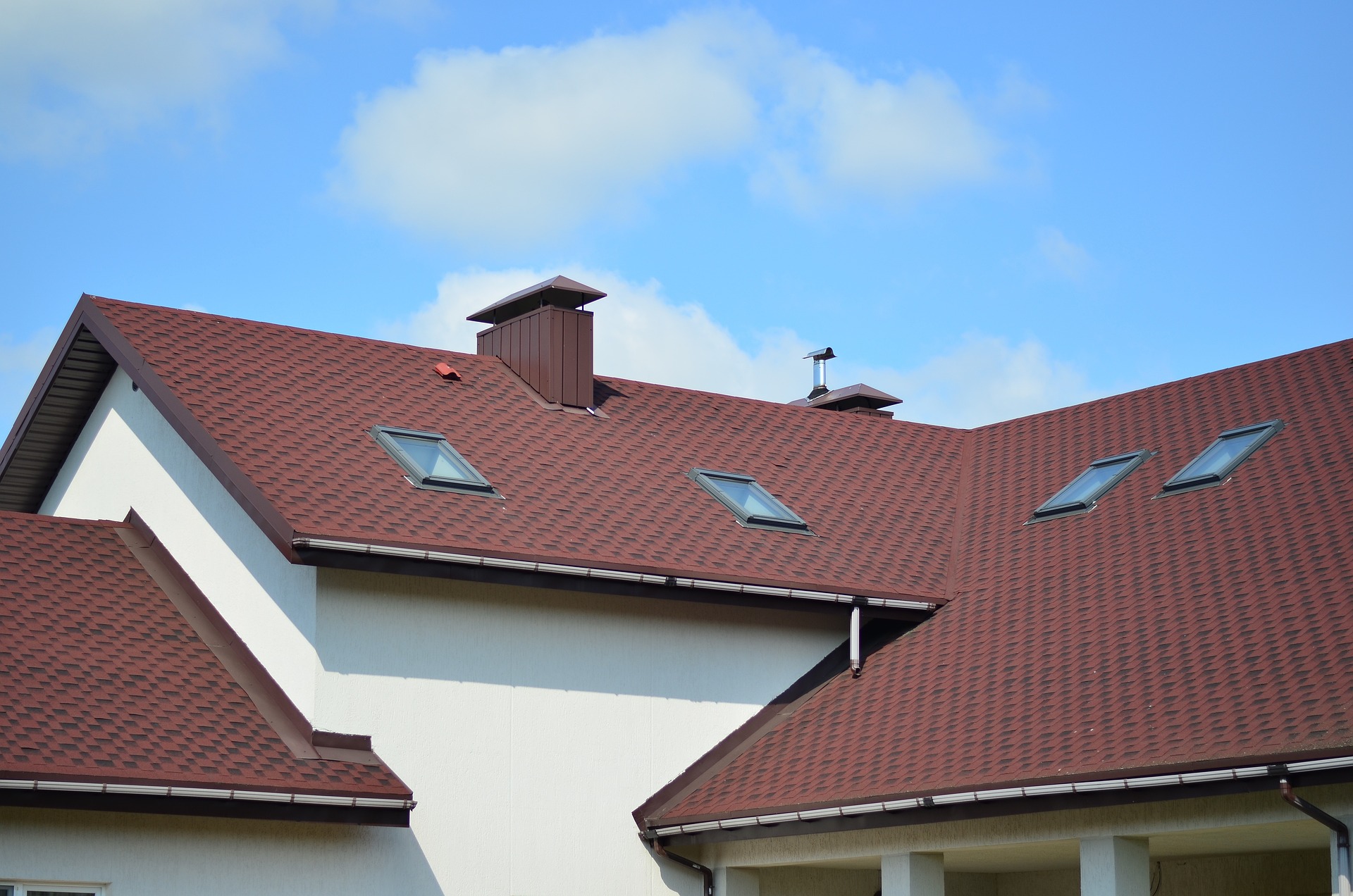
Commercial roofs are exposed to weather, drainage loads, debris, roof traffic, rooftop equipment and general ageing.
Roofing Today provides commercial roof maintenance services across Sydney for warehouses, offices, retail properties, strata buildings, workshops and other commercial and industrial premises.
Planned maintenance can help identify smaller roofing issues before they develop into larger problems, while also giving property owners and managers a clearer picture of how the roof is ageing over time.
Why Commercial Roof Maintenance Matters
Commercial roofing problems often develop gradually.
A loose flashing, small area of corrosion, blocked box gutter or deteriorated seal around a roof penetration may not cause an obvious problem straight away. If left unresolved, it can contribute to leaks, water damage or more substantial repair work later.
Regular maintenance provides a more structured way to monitor the roof rather than relying only on reactive repairs once water is already entering the building.
Contact Roofing Today
Fill out our quick form to receive a personalised quote:

What Does Commercial Roof Maintenance Include?
The work required depends on the building and roofing system.
Maintenance may involve checking the condition of roofing materials, flashings, penetrations, drainage and previous repair areas, then addressing smaller defects where appropriate.
Roofing Materials
Metal sheets, membranes and other roof surfaces can be checked for visible deterioration such as corrosion, cracking, impact damage or ageing sections.
Flashings and Penetrations
Commercial roofs often contain vents, skylights, pipes, exhaust systems and air-conditioning equipment.
These areas interrupt the main roof surface and rely on seals and flashings that can deteriorate over time.
Fixings and Junctions
Metal roofing systems rely on numerous fixings and connections across large roof areas.
Loose or deteriorated components can be identified before they contribute to a more significant roofing problem.
Gutters and Drainage
Large commercial roofs can collect substantial volumes of rainwater, so gutters, box gutters, outlets and downpipes need to remain clear and functional.
Where guttering needs more extensive work, see gutter maintenance.
Previous Repairs
Older commercial roofs often have areas that have been repaired at different times.
Reviewing these sections can help identify whether a previous repair remains stable or whether the surrounding roofing is beginning to deteriorate.
Planned Maintenance vs Reactive Roof Repairs
Reactive roofing usually begins after a problem becomes noticeable, such as an active leak, overflowing gutter or damaged roof sheet.
Planned maintenance takes a different approach. It focuses on monitoring the roof and addressing smaller issues before they become urgent.
That does not mean every defect can be prevented, but it can make roofing work easier to plan around building operations and budgets.
If active damage has already developed, commercial roof repairs may be required.
Commercial Roof Inspections and Maintenance
Inspection and maintenance are closely related, but they serve different purposes.
An inspection focuses on assessing the condition of the roof and identifying areas that need attention.
Maintenance is the ongoing work used to manage those areas over time.
In practice, the two often work together. A commercial roof inspection may identify an immediate repair, several smaller maintenance items and other areas that simply need monitoring.
How Often Should a Commercial Roof Be Maintained?
There is no single maintenance schedule that suits every commercial roof.
Frequency can depend on roof age, material, exposure, drainage design, maintenance history and how often the roof is accessed.
An older roof with known corrosion or drainage issues may need closer monitoring than a newer system with no history of problems.
Additional checks may also be useful after severe weather or significant work involving rooftop plant.
Commercial Metal Roof Maintenance
Metal roofing is common across warehouses, industrial buildings and commercial properties throughout Sydney.
Maintenance may involve checking for corrosion, loose fixings, damaged sheets, deteriorated flashings and areas where previous repairs have been completed.
A small patch of corrosion is very different from widespread deterioration across an ageing roof.
Regular assessment can help establish whether the issue remains manageable through maintenance or is developing into a larger repair problem.
For more information about these systems, visit metal roofing.
Flat and Low-Slope Roof Maintenance
Flat and low-slope commercial roofs rely heavily on waterproofing and effective drainage.
Maintenance may involve checking membrane condition, seams, flashings, outlets, penetrations and areas where water regularly collects.
Persistent ponding should be investigated rather than treated as a normal part of having a flat roof.
For these roofing systems, see commercial flat roofing.
Box Gutters and Commercial Drainage
Box gutters are common on commercial and industrial buildings and can become a significant source of water-entry problems when drainage is restricted.
Leaves, debris, corrosion, damaged joins or blocked outlets can interfere with how water moves away from the roof.
Because some box gutters sit within the roof structure, a developing problem may not be obvious from ground level.
Keeping these areas clear and monitoring their condition forms an important part of commercial roof maintenance.
Maintaining Roof Areas Around Plant and Equipment
Commercial roofs often support air-conditioning systems, ventilation equipment, exhausts and other building services.
These installations create additional penetrations and areas where contractors may regularly access the roof.
Maintenance should pay attention to the surrounding flashings, seals and roofing material, particularly where repeated foot traffic or servicing has taken place.
Commercial Roof Maintenance After Severe Weather
Even a well-maintained roof can be affected by strong winds, heavy rainfall or debris.
After significant weather, additional checks may be useful if there are signs of new damage, blocked drainage, displaced roofing or water entry.
Where an urgent problem develops, emergency roof repairs may need to be addressed before normal maintenance work continues.
When Maintenance Is No Longer Enough
Maintenance is most useful while the roofing system remains practical to retain.
There can come a point where corrosion has become widespread, leaks are recurring across different roof areas or repairs are becoming increasingly frequent.
At that stage, continuing to maintain individual defects may no longer address the broader condition of the roof.
Where deterioration is extensive, commercial roof replacement may need to be considered.
Building a Commercial Roof Maintenance Plan
A useful maintenance plan should reflect the actual condition and use of the building rather than follow the same checklist for every property.
It may take into account known leak areas, previous repairs, roof type, drainage, access frequency and sections exposed to regular roof traffic.
Properties in coastal or heavily exposed locations may also have different maintenance priorities from more sheltered buildings.
The aim is to build a practical record of how the roof is performing and which areas deserve closer attention over time.

Why Choose Roofing Today for Commercial Roof Maintenance?
Commercial roof maintenance should be based on the condition of the individual building rather than a generic schedule.
Roofing Today provides commercial roof maintenance services across Sydney for warehouses, offices, retail properties, strata buildings and industrial premises.
Maintenance can be planned around the roofing system, drainage, previous repairs and building use, with additional work recommended only where the condition of the roof warrants it.
Areas We Serve
Roofing Today provides commercial roof maintenance services across Sydney and surrounding NSW regions, including Sydney, the Eastern Suburbs, the Parramatta Region, South West Sydney, Milperra, the Hills District, Epping Region, Wollongong, Menai and the North Shore.
Frequently Asked Questions About Commercial Roof Maintenance
Is maintenance useful if the roof is not leaking?
Yes. Smaller issues such as early corrosion, deteriorated flashings or restricted drainage can develop before an internal leak becomes visible.
Does commercial roof maintenance include minor repairs?
It can. Smaller defects may be addressed as part of ongoing maintenance, while more substantial damage may require a separate repair scope.
Should a roof be checked after a major storm?
If the property has experienced severe weather or there are signs of new damage, an additional check may be worthwhile even if routine maintenance was completed recently.
Can maintenance help with box gutter problems?
Yes. Box gutters and drainage areas can be checked for debris, corrosion, damaged joins and blocked outlets as part of commercial roof maintenance.
Can multiple commercial properties be covered under one maintenance program?
Potentially, although each roof still needs to be assessed according to its own material, condition, location and maintenance history.
What happens if widespread deterioration is found?
If the roof has moved beyond isolated maintenance issues, a broader repair or replacement assessment may be more appropriate.