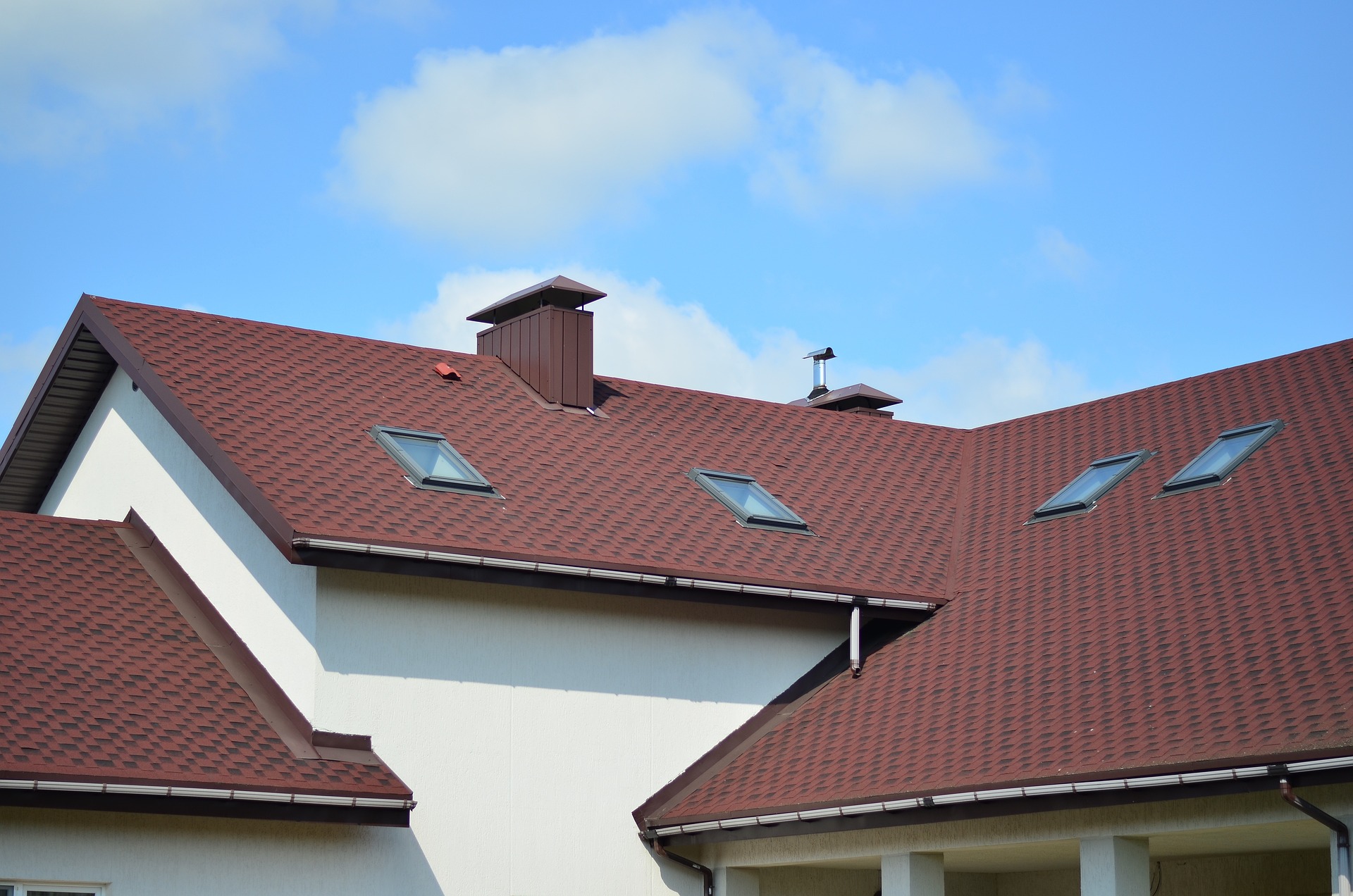
Commercial roof replacement may be needed when an existing roofing system has deteriorated beyond the point where ongoing repairs remain practical.
Roofing Today provides commercial roof replacement services across Sydney for warehouses, offices, retail properties, strata buildings, workshops and other commercial and industrial premises.
A replacement project needs to consider more than the roof covering itself. Building access, drainage, rooftop equipment, existing penetrations, occupants and day-to-day operations can all affect how the work should be planned.
When Should a Commercial Roof Be Replaced?
One leak does not automatically mean a commercial roof needs replacing.
Replacement becomes more relevant when deterioration affects a large part of the roofing system or the same problems continue returning despite previous repairs.
That can include widespread corrosion, recurring leaks across different roof sections, extensive membrane deterioration, ageing flashings or repeated failures that are becoming increasingly difficult to manage.
Where damage remains localised, commercial roof repairs may still be the more appropriate option.
Assessing the Existing Roof
Before replacement is planned, the roof should be assessed to understand how much of the existing system has deteriorated.
The inspection may consider roof sheets or membranes, corrosion, flashings, gutters, drainage, roof penetrations, previous repairs and areas around plant or equipment.
This helps determine whether full replacement is justified and highlights any underlying components that may also need attention.
For a broader condition assessment, visit commercial roof inspections.
Contact Roofing Today
Fill out our quick form to receive a personalised quote:

Our Commercial Roof Replacement Process
1. Assess the Roof
The existing roofing system is reviewed to confirm the extent of deterioration and identify the areas that need to be addressed.
2. Plan the Project
Commercial buildings often remain occupied or operational during roofing work.
Planning may therefore need to account for access, staff, tenants, stock, equipment, waste removal, weather and whether the replacement needs to be staged.
3. Select the Roofing System
The replacement material should suit the building, roof structure and intended use.
This may include metal roofing such as Colorbond or other suitable systems for flat and low-slope commercial roofs.
4. Remove the Existing Roofing
The old roofing material is removed according to the agreed scope.
This can expose areas that were previously hidden, allowing underlying defects to be identified before the new system is installed.
5. Prepare and Install the New Roof
Preparation may involve flashings, drainage points, roof penetrations, fixings or other components that form part of the roofing system.
The replacement roof is then installed according to the selected material and building configuration.
6. Final Checks
Once installation is complete, the roof and associated work areas can be checked before the project is finalised.
Metal Commercial Roof Replacement
Metal roofing is widely used on warehouses, workshops and industrial buildings.
As these systems age, corrosion, failed fixings, damaged sheets and deteriorated flashings can become more common.
Localised issues may still be repairable. Where corrosion or material failure spreads across larger roof areas, replacing the ageing system may provide a more practical long-term solution.
For more information about metal and Colorbond roofing, visit metal roofing.
Colorbond Commercial Roof Replacement
Colorbond steel is commonly used across Australian commercial and industrial properties.
It can be suitable for large roof areas and a range of building types, but the existing roof structure and design should be considered before changing materials.
Roof pitch, drainage, existing support, penetrations and flashing requirements can all influence whether a particular system suits the property.
The replacement material should be selected for the building rather than on appearance alone.
Flat and Low-Slope Commercial Roof Replacement
Some commercial properties rely on flat or low-slope roofing systems rather than conventional pitched metal roofing.
These roofs often depend heavily on waterproof membranes and carefully planned drainage.
Replacement may be considered where membrane deterioration has become widespread, seams are failing across several areas or repeated repairs are no longer resolving the problem.
For these systems, visit commercial flat roofing.
Replacing an Ageing Commercial Roof
Age alone does not determine whether a roof needs replacement.
Two roofs of a similar age can perform very differently depending on the roofing material, exposure, maintenance history, drainage, previous repairs and how the building has been used.
An older roof that remains serviceable may continue to be managed through planned commercial roof maintenance.
Replacement becomes more relevant when deterioration is affecting the system as a whole.
Commercial Roof Replacement After Storm Damage
Severe weather can damage roof sheets, flashings, penetrations, gutters and drainage systems.
Where storm damage is confined to one section, repair may still be enough. Replacement may need to be considered if a large roof area has been affected or if the storm has compounded significant pre-existing deterioration.
If the property has active water entry or exposed roofing, emergency roof repairs should be addressed first.
Commercial Roof Replacement and Insurance Claims
Some replacement projects arise after insured storm or weather damage.
Whether replacement is covered depends on the individual policy, cause of damage and insurer’s assessment.
A roofing assessment can help document the visible condition of the roof and define the work that may be required, but insurance approval remains with the insurer.
Property owners or managers should confirm claim requirements and approval processes directly with their insurer before proceeding with work intended to form part of a claim.
Roof Replacement for Warehouses and Industrial Properties
Warehouses and industrial buildings often have large metal roof areas with ventilation systems, skylights, exhausts and other penetrations.
Replacement planning may need to consider the size of the roof, equipment below, business operations, drainage and how the work can be staged safely around the building.
Industrial properties may also contain more rooftop plant and service penetrations, which need to be incorporated into the replacement design.
Roof Replacement for Retail, Office and Strata Properties
Retail and office buildings can have very different roof layouts depending on the age and design of the property.
Planning may need to account for occupants, trading hours, access and the potential impact of work on internal areas.
Strata properties can add another layer of coordination because roof areas may serve multiple occupancies and involve building managers or owners corporations.
The relevant roof section should be assessed as part of the wider building rather than in isolation.
Can a Commercial Roof Be Replaced in Sections?
Partial replacement may be possible where one roof section has deteriorated significantly while adjoining areas remain serviceable.
Whether staged replacement makes sense depends on how the roof sections connect, the condition of surrounding materials, drainage and how future maintenance will be managed.
A sectional approach should only be used where it makes sense for the roofing system as a whole.
Drainage During Commercial Roof Replacement
Drainage should be considered as part of the replacement project rather than as a separate afterthought.
Commercial roofs may use external gutters, box gutters, sumps, downpipes or internal drainage systems.
Existing drainage problems may need to be addressed before the new roof is completed.
Where guttering itself requires separate work, visit gutter maintenance.

Why Choose Roofing Today for Commercial Roof Replacement?
Commercial roof replacement requires planning around both the roofing system and the operation of the building below.
Roofing Today provides commercial roof replacement services across Sydney for warehouses, offices, retail properties, strata buildings and industrial premises.
Projects can be planned around the condition of the existing roof, building access, drainage and suitable roofing materials rather than applying one replacement method to every property.
Areas We Serve
Roofing Today provides commercial roof replacement services across Sydney and surrounding NSW regions, including Sydney, the Eastern Suburbs, the Parramatta Region, South West Sydney, Milperra, the Hills District, Epping Region, Wollongong, Menai and the North Shore.
Frequently Asked Questions About Commercial Roof Replacement
Can a commercial roof be replaced while the building stays open?
Sometimes, yes. Whether this is practical depends on the building, roof layout, access and type of work involved. Larger projects may need to be staged around business operations.
How long does commercial roof replacement take?
There is no standard timeframe. Roof size, access, material, weather, building complexity and whether the project needs to be staged can all affect the duration.
Can an old commercial roof be replaced with Colorbond?
It may be suitable for some properties, but the roof structure, pitch, drainage and existing configuration should be assessed first.
Can only one section of a commercial roof be replaced?
Potentially. Partial replacement may be appropriate where deterioration is confined to one section and adjoining areas remain serviceable.
Does a replacement project include drainage work?
Drainage should be assessed as part of the project. Existing gutters, box gutters or outlets may remain serviceable, need repair or require separate replacement depending on their condition.
Is replacing an existing commercial roof different from installing one on a new building?
Yes. Replacement involves removing an existing roofing system and working around the conditions of an occupied or established building, including previous repairs, existing drainage and concealed components.