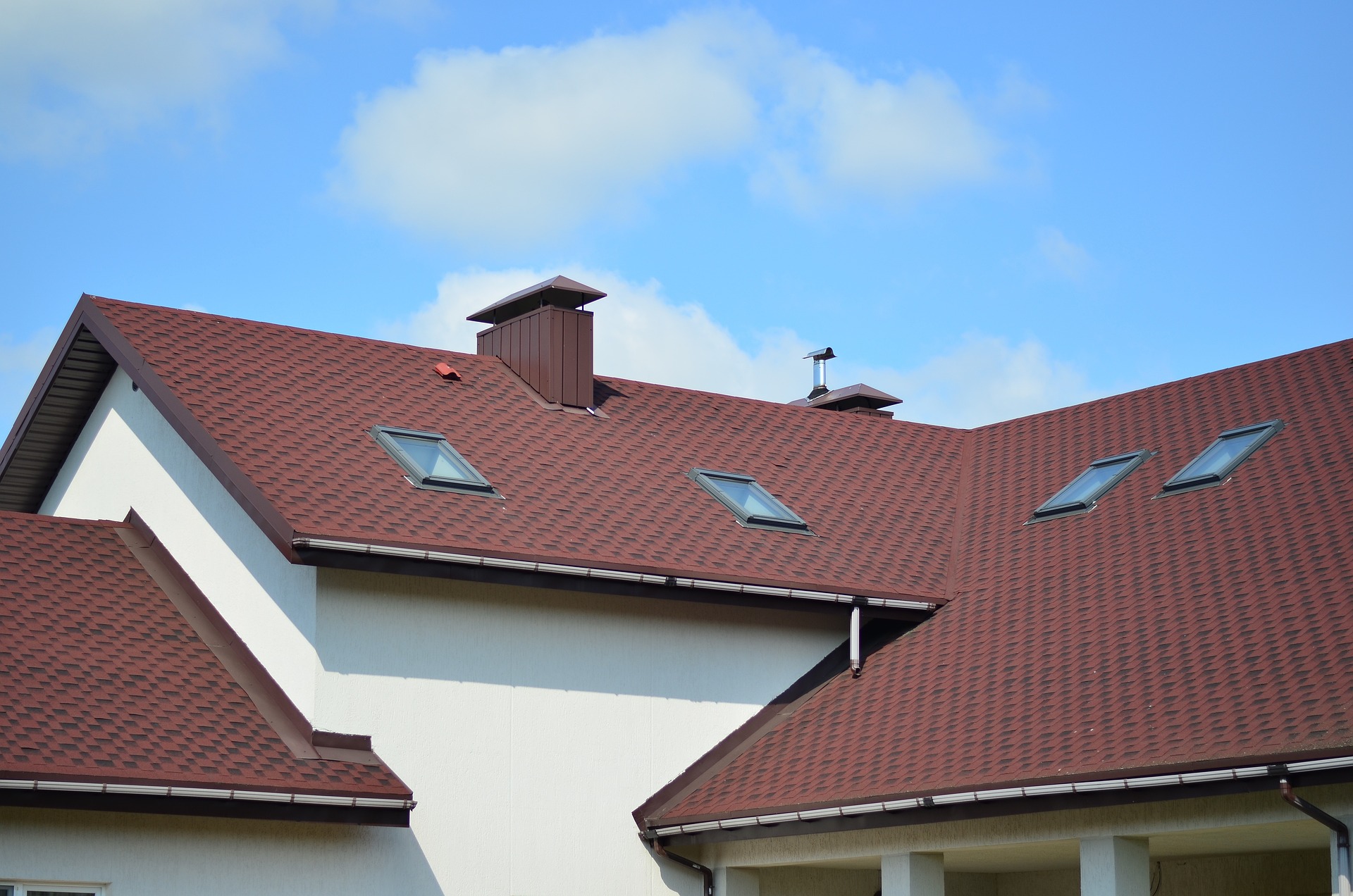
Storm damage can range from a few displaced tiles to extensive roofing problems involving leaks, damaged metal sheets, flashings, gutters and other roof components.
Roofing Today provides storm damage roofing services across Sydney for residential and commercial properties affected by heavy rain, strong winds and other severe weather.
The first priority is to understand the extent of the damage. Depending on what is found, the roof may require temporary protection, targeted emergency roof repairs, more extensive roof repairs, roof restoration or, where damage is widespread, roof replacement.
Where roofing work is being considered as part of an insurance claim, a clear assessment of the roof condition and storm-related damage can also help property owners understand the scope of work that may need to be discussed with their insurer.
Call For Service
What Types of Storm Damage Can Affect a Roof?
Roof damage after severe weather is not always obvious from ground level.
Some problems appear immediately through active leaks or missing roofing materials. Others may only become apparent later when water staining, dampness or recurring leaks begin to develop.
Storm-related roofing issues can include:
- Broken or cracked roof tiles
- Displaced tiles
- Damaged metal roofing sheets
- Loose or damaged flashings
- Ridge capping damage
- Valley damage
- Debris impact
- Water penetration
- Blocked or damaged gutters
- Damage around skylights and roof penetrations
- Existing roof defects becoming worse after heavy weather
A roof inspection can help identify how extensive the damage is before permanent repairs are planned.
Contact Roofing Today
Fill out our quick form to receive a personalised quote:

What Should You Do After Roof Storm Damage?
If a roof has been affected by severe weather, the response should be based on how urgent the problem is.
1. Avoid Unsafe Roof Access
A storm-damaged roof may contain loose tiles, damaged sheets, slippery surfaces or weakened sections.
Property owners should avoid climbing onto a roof to inspect the damage themselves, particularly during or immediately after severe weather.
2. Check for Signs of Water Entry
Visible signs inside the property may include:
- Ceiling stains
- Dripping water
- Damp walls
- Moisture around light fittings
- Water entering roof spaces
- New leaks following rainfall
If water is entering the building, urgent roofing attention may be required.
3. Arrange an Assessment
The next step is establishing which parts of the roofing system have been affected.
An inspection can help separate storm-related damage from pre-existing deterioration and identify whether the roof requires temporary protection, repair, restoration or replacement.
4. Address Immediate Roofing Problems
Where damaged roofing is allowing water into the building, Emergency Roof Repairs may be needed before a more permanent solution is arranged.
5. Determine the Permanent Repair Strategy
Once the roof condition is understood, permanent work may involve localised repairs, restoration of the existing roofing system or replacement where damage or deterioration is extensive.
Emergency Roof Repairs After Severe Weather
Some roof damage cannot wait for normal maintenance scheduling.
A missing section of roofing, significant leak or storm-damaged flashing may leave the property exposed to further rainfall.
Emergency roofing work focuses first on reducing the immediate risk of additional water entry where practical.
This may involve temporary or targeted work before the full scope of permanent repairs is confirmed.
Storm Damage Roof Inspections
A storm damage inspection looks at more than the most obvious affected area.
For example, one broken tile may be visible from the ground, but other tiles, ridge areas or flashings may also have been affected.
Areas that may be assessed include:
- Concrete or terracotta roof tiles
- Metal roofing sheets
- Ridge and hip capping
- Valleys
- Flashings
- Roof penetrations
- Gutters and downpipes
- Signs of internal water entry
- Previous repairs
- Areas affected by impact or movement
The purpose of the assessment is to establish the condition of the roofing system and identify which work may reasonably be required.
Our Roof Inspections page explains this process in more detail.
Storm Damage to Tile Roofs
Concrete and terracotta roofs can be affected by strong winds, debris and heavy rainfall.
Storm-related tile roof problems can include:
- Cracked tiles
- Broken tiles
- Displaced tiles
- Ridge capping damage
- Valley problems
- Flashing damage
- Water entry through exposed sections
Where damage is limited, individual repairs may be sufficient.
If the roof already had broader deterioration before the storm, however, the assessment may need to consider whether tile roofing repairs alone will address the overall condition.
Storm Damage to Metal and Colorbond Roofs
Metal roofing systems can also be affected by severe weather.
Possible problems include:
- Damaged or lifted sheets
- Loose fixings
- Flashing damage
- Impact damage
- Water entry around penetrations
- Existing corrosion becoming more problematic
- Gutter or drainage damage
The appropriate repair depends on the location and extent of the damage.
For more information about metal roofing systems, visit Metal Roofing.
Roof Repairs After a Storm
Many storm-damaged roofs can be addressed without complete replacement.
Where damage is limited to specific areas, repairs may involve replacing damaged tiles, repairing flashing, addressing damaged metal sheets or resolving identified leak points.
The broader roof condition still matters.
A localised storm problem on an otherwise serviceable roof is very different from storm damage affecting a roof that was already significantly deteriorated.
Our Roof Repairs page covers targeted roofing repairs in more detail.
When May Roof Restoration Be Considered?
Roof restoration may be an option where a storm has exposed or worsened broader ageing across an existing roof but the roofing system remains suitable to retain.
Depending on the roof type and condition, restoration can involve a combination of repairs and broader work to the existing roofing system.
It should not be assumed that every storm-damaged roof requires restoration.
A roof with only minor localised damage may need repairs instead, while extensive structural or material deterioration may make restoration unsuitable.
Visit Roof Restoration for more information.
When May Roof Replacement Be Necessary?
Complete replacement may be considered when damage is extensive or when severe weather affects a roofing system that was already approaching the end of its practical service life.
Possible factors include:
- Widespread roofing material failure
- Extensive metal roof damage
- Multiple areas of severe tile damage
- Recurring leaks across different sections
- Significant pre-existing deterioration
- Repair requirements extending across most of the roof
Replacement is a substantially larger project than repairing storm damage, so the condition of the roof should be assessed before that recommendation is made.
Visit Roof Replacement to learn more about the replacement process.
Roofing Work and Insurance Claims
Roofing damage caused by severe weather may sometimes form part of a property insurance claim.
Insurance policies, coverage, exclusions and claim requirements differ, so whether particular roofing work is covered is ultimately determined by the insurer and the individual policy.
From the roofing side, the useful starting point is establishing:
- What damage is visible
- Which areas of the roof are affected
- Whether immediate repairs are required
- What permanent roofing work may be necessary
- Whether there appears to be broader pre-existing deterioration that also needs consideration
Property owners should contact their insurer directly for advice about their policy, claim process and any approval requirements before authorising work that is expected to form part of a claim.
Storm Damage or Pre-Existing Roof Deterioration?
One important part of assessing a roof after severe weather is distinguishing new damage from existing roofing problems.
A roof may already have:
- Aged tiles
- Existing corrosion
- Old flashing problems
- Previous leak repairs
- Deteriorated ridge capping
- Blocked drainage
- General wear from long-term exposure
A storm can then make those issues more noticeable or cause additional damage.
This is why assessment should focus on the condition of the whole affected roofing system rather than assuming every defect was caused by the most recent weather event.
Gutter Damage After Storms
Storms can affect more than the roof covering itself.
Heavy rain, debris and wind can also damage or overwhelm gutters and downpipes.
Potential problems include:
- Blocked gutters
- Debris accumulation
- Damaged gutter sections
- Overflow during heavy rainfall
- Loose components
- Drainage problems
If guttering has been affected, visit Gutter Maintenance for information about ongoing gutter care and related work.
Residential Storm Damage Roofing
For homeowners, storm damage can be particularly disruptive when water begins entering living areas or roofing materials become visibly damaged.
Residential storm roofing work may involve tile repairs, metal roof repairs, leak investigation, flashing work, roof inspection or more substantial restoration and replacement.
Roofing Today provides access to a broader range of Residential Roofing services across Sydney.
Commercial Storm Damage Roofing
Storm damage to a commercial roof can affect a larger roof area and may create additional concerns around business operations, occupants, equipment or stock.
Commercial assessments may need to consider:
- Large roof areas
- Flat or low-slope roofing sections
- Drainage systems
- Roof penetrations
- Flashings
- Plant and equipment
- Access requirements
- Areas of active water entry
Visit Commercial Roofing for information about Roofing Today’s broader commercial roofing services.
Preparing Your Roof Before Storm Season
Not all weather-related roof problems can be prevented, but identifying existing defects before severe weather can reduce the chance of known issues being left unattended.
Before periods of heavy rainfall or storms, it may be useful to consider:
- Checking for visibly damaged tiles
- Addressing known leaks
- Inspecting ageing flashings
- Clearing gutters and drainage areas
- Reviewing previous roof repair areas
- Assessing older or deteriorated roofs
- Arranging maintenance where issues have already been identified
Roof Maintenance can help address ongoing roofing issues before they become urgent.

Why Choose Roofing Today for Storm Damage Roofing?
Roofing Today provides access to roofing services across Sydney for homes and commercial properties affected by severe weather.
The appropriate response depends on the extent of the damage rather than applying the same solution to every storm-affected roof.
Related roofing services include emergency roof repairs, roof inspections, roof repairs, roof restoration, roof replacement, tile roofing, metal roofing, roof maintenance and gutter maintenance.
The aim is to assess the condition of the roof, deal with urgent problems where required and determine an appropriate permanent roofing response.
Areas We Serve
Roofing Today provides access to storm damage and roofing services across Sydney and surrounding NSW regions.
Explore roofing services across Sydney, the Eastern Suburbs, the Parramatta Region, South West Sydney, Milperra, the Hills District, Epping Region, Wollongong, Menai and the North Shore.
Frequently Asked Questions About Storm Damage Roofing
What should I do if my roof starts leaking during a storm?
Avoid climbing onto the roof. If water is entering the property, move belongings away from the affected area where it is safe to do so and arrange urgent roofing assistance. Significant leaks may require emergency roof repairs before permanent work is completed.
Does storm damage always mean the roof needs to be replaced?
No. Many storm-related problems can be repaired locally. Replacement is generally considered only where damage or broader deterioration is extensive enough that repairs or restoration are no longer appropriate.
Should I arrange a roof inspection after severe weather even if there is no visible leak?
If the property has experienced significant weather and there is reason to suspect roofing damage, an inspection may help identify issues that are not obvious from ground level.
Can Roofing Today tell me whether my insurer will cover roof repairs?
Insurance coverage is determined by the insurer and the terms of the individual policy. A roofing assessment can help identify the visible condition and scope of roofing work, but policy and claim decisions should be discussed directly with the insurer.
Can emergency repairs be completed before an insurance claim is finalised?
Requirements differ between insurers and policies. If urgent work is needed to reduce further damage, contact the insurer as soon as practical and follow any instructions they provide about emergency repairs, documentation and approval.
Can an insurer distinguish between storm damage and an old roof problem?
Insurers may consider the cause and condition of the damage as part of their assessment. From a roofing perspective, an inspection can identify visible storm-related issues alongside broader signs of pre-existing deterioration.
Can gutters be included when assessing storm damage?
Yes. Severe weather can affect gutters, downpipes and other drainage components as well as the roof itself. Their condition may be considered when assessing the overall roofing system.