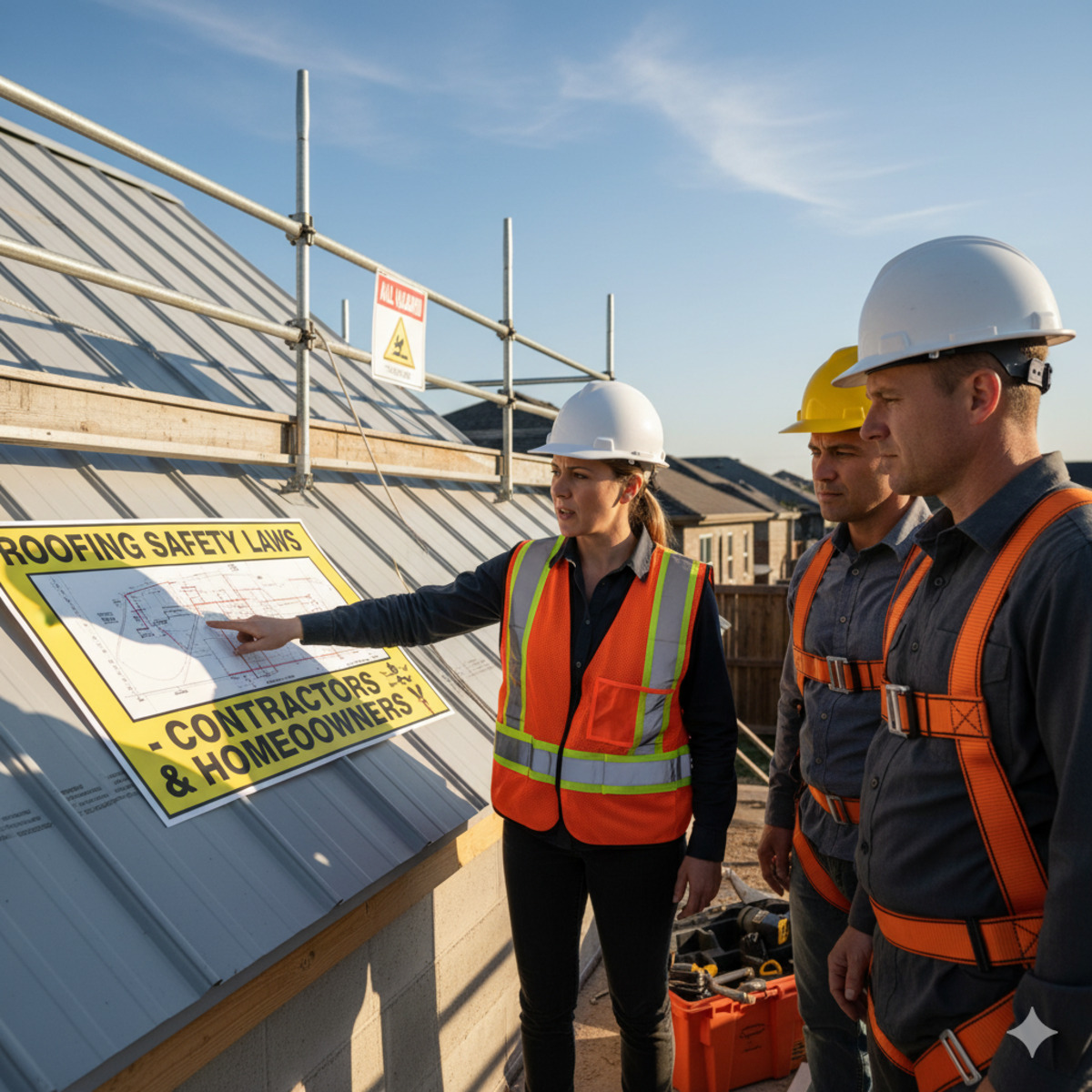
Roofing work involves significant risk. Every year, many injuries and fatalities occur in Australia due to falls from height, unsafe practices, or poorly managed worksites. To protect both contractors and homeowners, the government enforces strict roofing safety laws under national and state frameworks.
Understanding these laws helps you make informed decisions. Whether you are a roofing professional or a homeowner planning a new installation or repair, following safety requirements prevents accidents, legal penalties, and costly project delays.
Why Roofing Safety Laws Exist
Roofing safety laws are designed to save lives. Working at heights exposes roofers to hazards such as falls, electrical contact, or structural failure. Without clear safety regulations, every roof job could carry unacceptable risk.
The laws also ensure that contractors use the right equipment, receive proper training, and manage hazards before work begins. For homeowners, these laws provide confidence that anyone working on their property meets professional safety standards. A compliant site benefits everyone because it reduces the chance of injury, property damage, and liability.
Key Organisations and Regulations You Should Know
Australia’s safety system combines national guidance with local enforcement. Several key organisations oversee roofing safety standards and ensure that everyone involved in construction work understands their legal duties.
Safe Work Australia
Safe Work Australia is the national body responsible for developing and maintaining Australia’s model Work Health and Safety (WHS) laws. It sets the foundation for safety requirements across all states and territories. While it does not directly enforce the laws, it provides detailed codes of practice and model roofing regulations that guide roofing safety.
Roofing contractors rely on these codes for information about fall prevention, scaffolding, electrical safety, and the use of personal protective equipment. Homeowners can also consult Safe Work Australia’s website to learn what safe roofing practices look like.
State and Territory WHS Authorities
Each state and territory enforces the national safety framework through its own WHS authority. These include bodies such as SafeWork NSW, WorkSafe Victoria, Workplace Health and Safety Queensland, and WorkSafe WA. Although their regulations are based on the same national model, some local variations exist.
Contractors must understand the specific laws in their state. For example, the height at which fall protection becomes mandatory may differ slightly. Homeowners should always hire roofers who are licensed and compliant within their jurisdiction.
The National Construction Code (NCC)
The National Construction Code integrates safety, design, and performance standards across Australia’s building industry. It complements WHS laws by setting technical rules for construction, including structural strength and weatherproofing. Roofing work must comply with both the NCC and WHS regulations to be legally approved.
Core Legal Duties for Roofing Contractors
Roofing contractors have several legal duties under WHS legislation. Their primary responsibility is to provide a safe working environment for all workers and anyone affected by their activities.
They must identify potential hazards, assess risks, and put controls in place before work starts. This process includes ensuring that ladders, scaffolds, and harness systems are properly installed and maintained. Contractors are also required to provide training and supervision to all workers, making sure they understand how to use equipment safely and respond to emergencies.
Contractors must prepare a Safe Work Method Statement (SWMS) for any task involving high-risk work. This document explains how risks will be managed and what safety measures are in place. Failing to complete or follow an SWMS is a serious breach of the law.
Homeowner Responsibilities and Legal Liabilities
Homeowners also play a role in maintaining safe worksites. When you hire a roofer, you become a “person conducting a business or undertaking” (PCBU) under WHS definitions if you engage workers directly or manage a project. Even when you hire an independent contractor, you still have a duty of care to ensure the site is safe.
You must confirm that anyone working on your roof holds the appropriate licences, insurance, and safety training. Ignoring this step can make you partially responsible for any accidents that occur. If a worker is injured and your due diligence was lacking, you may face legal action or insurance complications.
Homeowners should also keep access areas clear, avoid interfering with safety controls, and follow instructions from the contractor. A safe roof project is a shared responsibility.
Roof Access and Working at Heights Regulations
Roofing is classified as high-risk construction work because it involves working at height. The laws surrounding roof access and height safety are some of the strictest in the construction industry.
Fall Prevention Requirements
Every roof job must include systems that prevent falls. The law requires contractors to identify and control fall hazards before work begins. This includes installing guardrails, using harness systems, and setting up secure anchorage points.
The hierarchy of control principle applies. This means that wherever possible, the work should be done from a solid platform or scaffold rather than relying solely on personal fall arrest systems. When harnesses are used, they must be inspected before each shift and attached to certified anchor points that can handle the required load.
Roof Edge Protection
Roof edge protection, such as guardrails or temporary barriers, must be installed whenever there is a risk of falling two metres or more. In many cases, protection is recommended even at lower heights, depending on the site layout and surface conditions.
Edge protection must be strong enough to withstand the impact of a fall and positioned to prevent tools or materials from falling as well. Contractors must ensure the system remains secure throughout the project. Removing barriers before the job is finished breaches safety law and endangers workers.
Ladders, Scaffolding, and Walkways
Access equipment must meet strict safety requirements. Ladders should be industrial-rated, extend at least one metre above the landing point, and be secured to prevent movement. Scaffolds must be assembled by qualified personnel and inspected regularly.
Permanent or temporary roof walkways are required on many commercial and industrial buildings. These provide safe access for maintenance without damaging roofing materials or exposing workers to unnecessary risks.
Personal Protective Equipment (PPE) and Safety Gear
Personal protective equipment is the last line of defence against injury. Roofing contractors must supply and maintain PPE that meets Australian Standards. Typical gear includes helmets, non-slip footwear, harnesses, gloves, and protective eyewear.
The law requires workers to wear PPE correctly at all times. Employers must also ensure that all equipment is inspected regularly and replaced when worn or damaged. Homeowners should never see workers on their property without the correct safety gear. Asking simple questions about PPE use is one of the easiest ways to confirm that a contractor follows the law.
Training and Licensing Requirements
All roofing workers must complete safety induction training before they step onto a site. This is known as the White Card, which proves that the worker understands basic WHS principles and safe work practices.
Some tasks require additional training or licensing. For example, operating elevated work platforms, scaffolding, or certain power tools may require a High Risk Work Licence. Contractors must keep training records up to date and ensure all team members meet these requirements.
Homeowners should always ask to see proof of training and licences. A qualified roofer will not hesitate to provide them.
Site Safety Management and Documentation
Safety management is an organised process. Before work begins, contractors must complete and keep several key documents.
The Safe Work Method Statement (SWMS) is the most important. It describes each step of the work, potential hazards, and how those hazards will be controlled. It must be available on site for inspection at all times.
Other documentation may include risk assessments, equipment inspection records, and emergency response plans. Homeowners should ask to review these documents before the job starts. Doing so confirms that the contractor takes compliance seriously and has planned the work properly.
Common Safety Violations and Their Consequences
Even though roofing safety laws are clear, violations still occur. These breaches can lead to severe penalties, injuries, and even fatalities.
Working Without Edge Protection
Some roofers skip installing guardrails or barriers to save time. This is one of the most common and dangerous violations. Without edge protection, a small misstep can cause a fatal fall. Authorities treat this breach as a serious offence that can lead to licence suspension or prosecution.
Ignoring PPE Rules
Failing to wear harnesses, helmets, or footwear that meets standards is another frequent issue. In many cases, these violations result in serious injuries that could have been prevented. Supervisors must ensure every worker follows PPE requirements without exception.
Poor Weather and Unsafe Conditions
Roof work should stop immediately during rain, strong winds, or lightning. Continuing work in unsafe conditions breaks the law and voids insurance coverage. Homeowners should not allow contractors to work during storms or when the roof surface is slippery.
Lack of Safety Signage
Every worksite must display warning signs to alert people nearby of hazards such as overhead work, restricted access, or falling debris. Missing or unclear signage can cause accidents involving both workers and the public. Authorities can issue fines for failing to display required signs.
How Homeowners Can Verify Compliance
As a homeowner, you do not need specialist knowledge to make sure your project meets safety laws. You only need to know what to look for and what to ask.
Start by confirming that your contractor holds a valid licence and public liability insurance. Ask for copies of the SWMS and other safety documents before the job begins. Check that workers wear proper PPE and that scaffolding and guardrails are in place.
You can also contact your state’s WHS authority to verify a contractor’s licence or report unsafe practices. Keeping records of all correspondence and documentation provides legal protection if something goes wrong.
Penalties and Enforcement for Non-Compliance
Breaking roofing safety laws carries heavy consequences. Regulators such as SafeWork NSW or WorkSafe Victoria can issue on-the-spot fines, improvement notices, or stop-work orders. Serious breaches can result in court proceedings, with penalties that include large fines or imprisonment.
Contractors may lose their licences or insurance if they repeatedly violate safety rules. Homeowners who fail to meet their duty of care could face civil claims or be refused insurance payouts. Compliance is always less costly than dealing with the aftermath of an accident.
Key Takeaways for Safer Roofing Projects
Roofing safety laws protect both the people who work on your property and those who live in it. By understanding your responsibilities and checking that professionals follow regulations, you play an important part in preventing injury and ensuring quality workmanship.
Always confirm licences, request documentation, and insist on visible safety measures. Choose contractors who are transparent about compliance and committed to protecting everyone on site. Following the law keeps your project safe, efficient, and legally sound from start to finish.
Conclusion
Roofing safety is not only about rules and penalties; it is about protecting lives. Every safety measure, from guardrails to training, exists for a reason. When contractors and homeowners work together under Australian safety laws, roofing projects become safer, faster, and more reliable.
Understanding these laws helps you identify professional contractors, avoid legal risks, and maintain a strong and secure roof for years to come. Compliance is not just a requirement; it is the foundation of a responsible and successful roofing project.