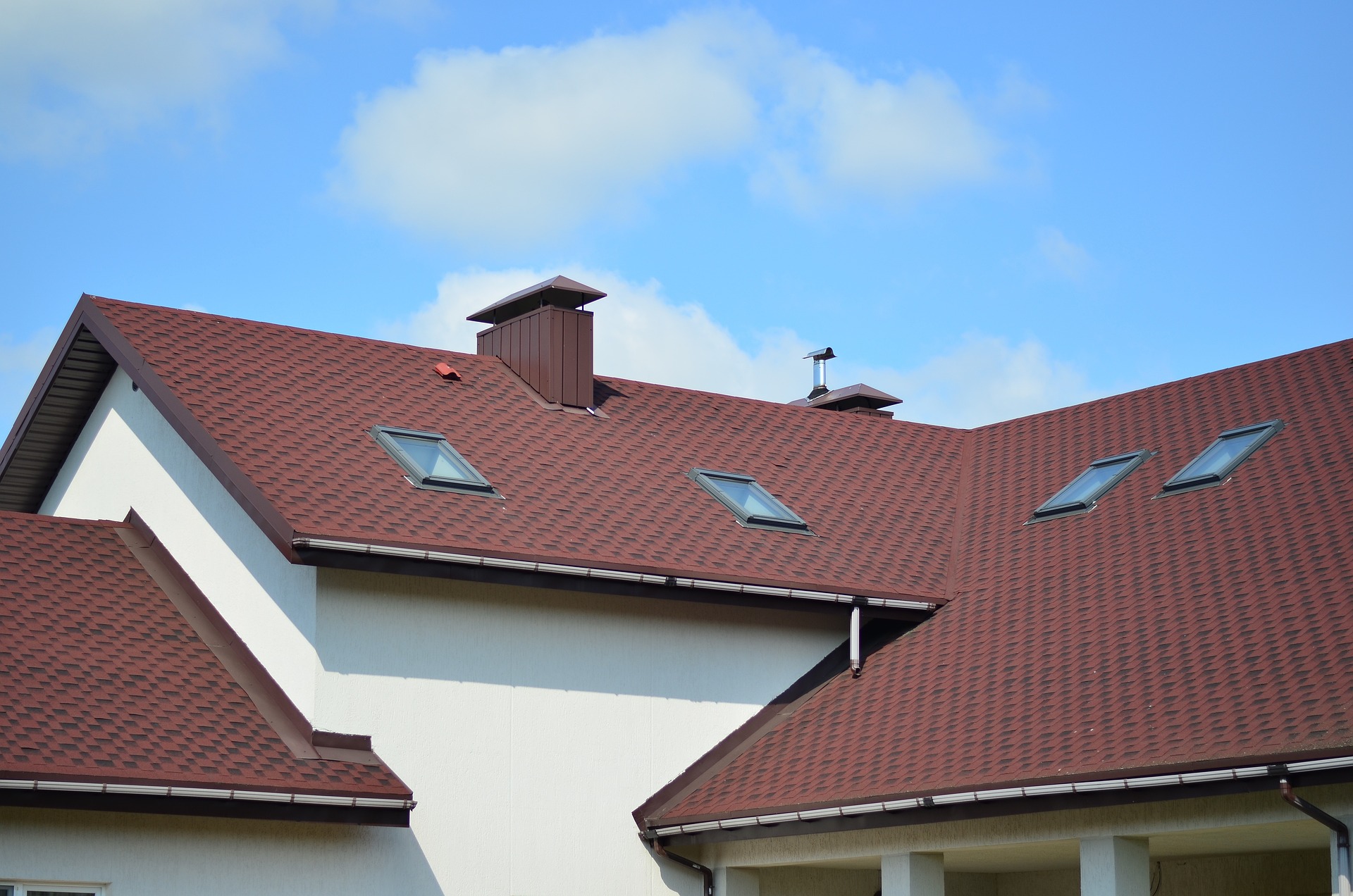
Flat and low-slope roofs are used across many Sydney homes, extensions, garages and commercial properties where a conventional pitched roof may not suit the building design.
Roofing Today provides flat roofing services across Sydney for roofs affected by leaks, drainage problems, deteriorated membranes, flashing issues and general ageing.
Although they are described as flat, these roofs normally include a slight fall so rainwater can move towards gutters, outlets or other drainage points. When that drainage or the waterproofing system begins to fail, problems can develop quickly.
What Is a Flat or Low-Slope Roof?
A flat roof is a roofing system with a much lower pitch than a conventional tiled or pitched metal roof.
These roofs are commonly used on home extensions, garages, carports, offices, retail buildings, strata properties and other structures where available height or building design makes a lower roof profile more practical.
The roofing system itself can vary. Some flat roofs use waterproof membranes, while others use suitable metal roofing designed for low-slope applications.
Contact Roofing Today
Fill out our quick form to receive a personalised quote:

Common Problems With Flat Roofs
Flat roofs tend to rely more heavily on waterproofing and drainage than steeper roofing systems.
Problems can develop through ageing, poor drainage, damaged flashings, failed seams or wear around roof penetrations.
Typical issues include ponding water, leaks, membrane deterioration, blocked outlets, cracking, failed sealants and previous patch repairs beginning to fail.
The cause matters more than the visible symptom. A water stain inside the building may result from a defect some distance away, particularly where moisture has travelled beneath a membrane before appearing internally.
For water-entry problems, see roof leak repairs.
Ponding Water on Flat Roofs
Ponding occurs when rainwater remains on part of the roof instead of draining away.
A small amount of water immediately after heavy rain does not automatically indicate a failed roof. Persistent standing water, however, can point to blocked outlets, debris, settlement, inadequate falls or deterioration around drainage points.
The underlying reason should be identified rather than simply treating the visible water.
Over time, repeated ponding can place additional stress on waterproofing materials and make existing defects more noticeable.
Membrane Roofing on Flat Roofs
Many flat roofs use a waterproof membrane to form a continuous barrier over the roof surface.
Membranes can deteriorate through ageing, punctures, failed seams, lifting, surface cracking or damage around penetrations.
Where the surrounding membrane remains sound, a localised repair may be possible. Where deterioration is widespread, a broader renewal or replacement may make more sense.
For more detail on these systems, visit membrane roofing.
Flashings and Roof Penetrations
Flat roofs often contain junctions around walls, parapets, skylights, pipes, vents and roof access points.
These areas interrupt the waterproofing layer and rely on correctly functioning flashings and seals.
A roof may leak around one of these junctions even when the main membrane remains intact. That is why leak investigation should include the surrounding details rather than focusing only on the roof surface.
Drainage on Flat Roofs
Good drainage is essential on low-slope roofing.
Depending on the property, water may be carried away through external gutters, box gutters, internal outlets, sumps or downpipes.
When these components become blocked or damaged, water can remain on the roof longer than intended or overflow into adjoining areas.
Where guttering itself is the main issue, see gutter maintenance.
Inspecting a Flat Roof
A flat roof inspection should look at the system as a whole rather than one isolated defect.
That can include the membrane or roof surface, flashings, seams, penetrations, drainage points, ponding areas and previous repairs.
The purpose is to understand whether the problem is localised or whether the roof is showing wider deterioration that needs a more substantial response.
For broader condition assessments, visit roof inspections.
Flat Roof Repairs
Many flat roofing problems can be repaired without replacing the entire roof.
A localised membrane defect, failed seam, flashing issue or isolated drainage problem may be suitable for targeted repair if the surrounding roof remains serviceable.
The repair should deal with the source of the problem rather than simply cover the most obvious damaged area.
For general repair work across different roofing systems, see roof repairs.
When Does a Flat Roof Need Replacement?
Replacement becomes more relevant when deterioration is spread across the roofing system rather than confined to one or two repairable areas.
That may include widespread membrane failure, recurring leaks in different locations, multiple failed seams or an ageing roof that has already been patched repeatedly.
A single leak does not automatically mean replacement is necessary.
Where broader deterioration is present, a roof replacement assessment can help determine whether continuing to repair the existing system is still practical.
Residential Flat Roofing
Flat and low-slope roofs are common on residential extensions, garages, carports and additions where roof height or the connection to the existing home makes a pitched system less practical.
These areas should be assessed according to their own construction rather than treated in the same way as the main tiled or metal roof.
For broader home roofing services, visit residential roofing.
Flat Roofing for Home Extensions
Extensions often create a transition between the original house and a lower roof section.
These junctions can become important leak points because the new and existing roof areas need to work together.
Attention may be needed around wall flashings, changes in roof pitch, gutters, penetrations and the point where the extension joins the original building.
A leak near an extension does not always originate from the flat roof surface itself.
Flat Roofing After Storm Damage
Heavy rain, wind and debris can expose weaknesses in low-slope roofing systems.
Storms may damage membranes, block drainage, loosen flashings or create new water-entry points around penetrations.
If severe weather results in active water entry or exposed roofing, emergency roof repairs may need to take priority before permanent work is planned.
Commercial Flat Roofing
Flat and low-slope roofs are widely used across offices, retail buildings, strata properties and other commercial premises.
Commercial systems can involve larger roof areas, more complex drainage, rooftop plant and more frequent access by contractors.
For these properties, visit commercial flat roofing for information specific to commercial repair, maintenance and replacement.
Low-Slope Metal Roofing
Not every flat roof uses a membrane.
Some buildings use metal roofing systems designed for lower pitches.
Whether metal roofing is suitable depends on roof pitch, drainage, building design and the existing structure.
For more information about Colorbond and other metal systems, visit metal roofing.
Maintaining a Flat Roof
Flat roofs benefit from ongoing attention because drainage and waterproofing defects can develop gradually.
Keeping outlets clear, monitoring previous repairs and checking areas around penetrations can help identify changes before they turn into more disruptive leaks.
Roofs that are regularly accessed for air-conditioning, solar equipment or other services may also require closer attention around traffic areas.
See roof maintenance for broader ongoing roofing care.

Why Choose Roofing Today for Flat Roofing?
Flat roof problems are rarely just about the visible surface.
Drainage, flashings, penetrations and waterproofing all work together, so the roof should be assessed as a complete system.
Roofing Today provides flat roofing services across Sydney for residential and commercial properties, from localised repairs through to larger replacement projects where the existing system is no longer practical to retain.
Areas We Serve
Roofing Today provides flat roofing and related services across Sydney and surrounding NSW regions, including Sydney, the Eastern Suburbs, the Parramatta Region, South West Sydney, Milperra, the Hills District, Epping Region, Wollongong, Menai and the North Shore.
Frequently Asked Questions About Flat Roofing
Are flat roofs completely flat?
Usually not. Most are built with a slight fall so rainwater can move towards gutters, outlets or other drainage points.
Can a flat roof be repaired without replacing it?
Yes, where the defect is localised and the surrounding roofing system remains serviceable. The repair approach depends on the roof material and the cause of the problem.
Do all flat roofs use membranes?
No. Many use waterproof membrane systems, while some low-slope roofs use suitable metal roofing.
Is ponding water always a serious problem?
Not necessarily. Water that remains briefly after heavy rain may not indicate failure, but persistent ponding should be investigated to determine whether drainage or roof falls are contributing.
Can flat roofs be used on extensions?
Yes. Low-slope roofing is commonly used on home extensions and additions where building height or the existing roofline makes a lower pitch more practical.
What should I do if a flat roof starts leaking after a storm?
If water entry is significant, arrange an assessment as soon as practical and avoid accessing the roof yourself. The immediate priority is to identify the damaged area and prevent further exposure where possible.