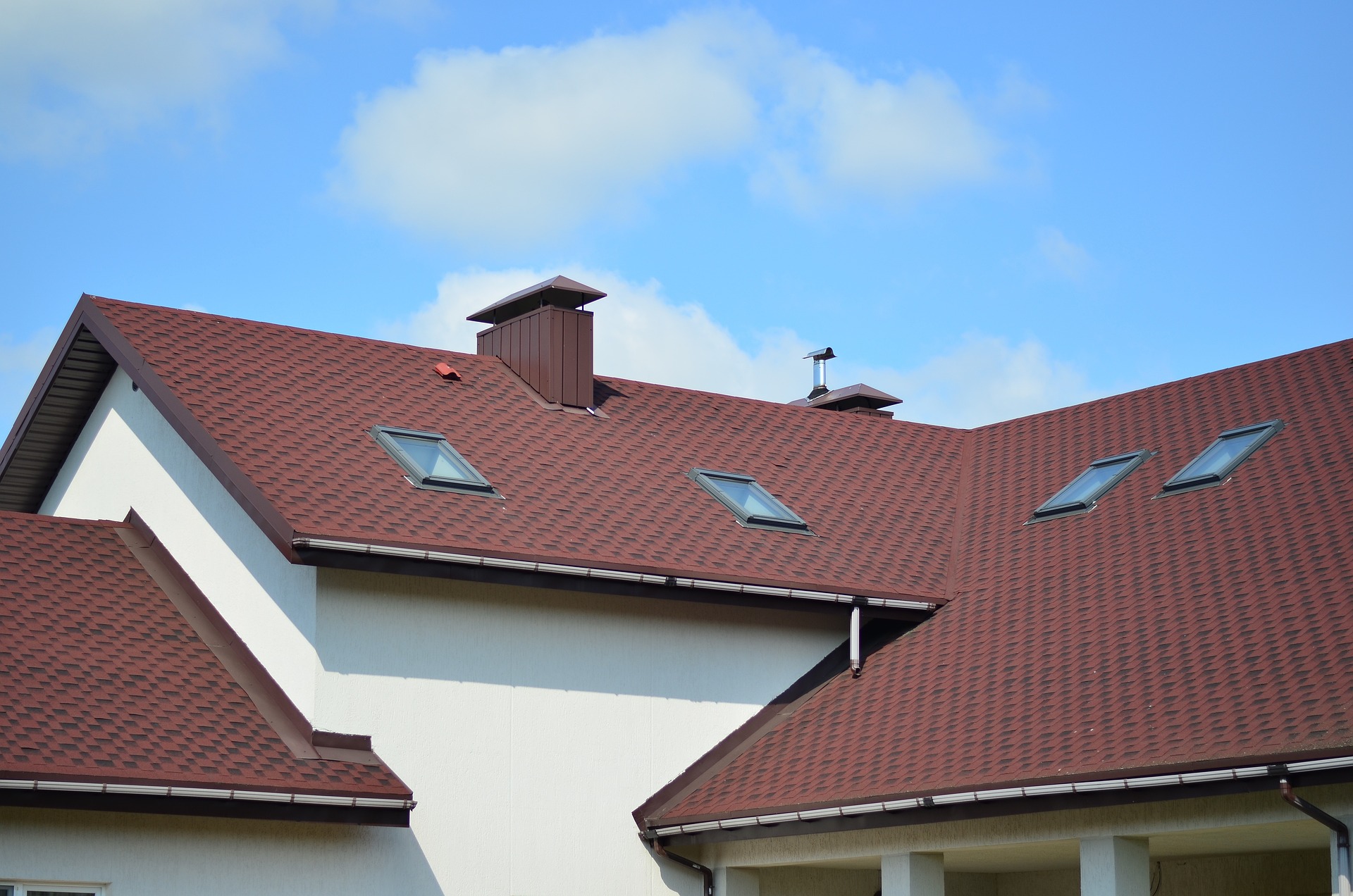
A leaking roof can start with a small stain, a damp patch or a few drops of water during heavy rain, but the visible sign inside the property does not always show where the water is actually entering.
Roofing Today provides roof leak repair services across Sydney for homes and commercial properties with leaking tile roofs, metal roofs, flashings, valleys, roof penetrations and drainage-related problems.
The first step is identifying the likely source of the leak and understanding whether the problem is isolated or connected to broader roof deterioration.
Depending on what is found, the next step may involve targeted roof repairs, roof maintenance, roof restoration or, where deterioration is more extensive, roof replacement.
Call For Service
What Can Cause a Roof Leak?
Roof leaks can develop for many different reasons.
The roofing material itself may be damaged, but water can also enter through flashings, valleys, roof penetrations or drainage areas even when the surrounding roof appears intact.
Common causes include:
- Cracked or broken roof tiles
- Displaced tiles
- Damaged metal roofing sheets
- Corrosion
- Loose or deteriorated flashings
- Failed seals around roof penetrations
- Ridge capping deterioration
- Valley problems
- Blocked gutters or drainage
- Storm damage
- Previous repairs that have failed
- Ageing roofing materials
- Water entering around skylights, vents or pipes
A roof inspection can help narrow down the likely cause before permanent repairs are planned.
Contact Roofing Today
Fill out our quick form to receive a personalised quote:

Why Roof Leaks Can Be Difficult to Find
Water does not always travel straight down from the point where it enters the roof.
It may move along roofing materials, framing or other components before becoming visible inside the building.
This means a ceiling stain directly beneath one part of the roof may actually be caused by a defect some distance away.
Leak investigation may therefore need to consider:
- The location of internal moisture
- Roof pitch
- Flashings
- Valleys
- Penetrations
- Drainage paths
- Previous repair areas
- Weather direction
- The roofing material
- Where water may be travelling after entry
Repairing the first visible defect without understanding the broader water path can result in the leak returning.
Signs You May Have a Roof Leak
Some leaks are obvious, while others develop gradually.
Possible signs include:
- Water dripping from the ceiling
- Brown or yellow ceiling stains
- Damp walls
- Moisture around cornices
- Peeling paint
- Damp roof spaces
- Mould or musty odours associated with moisture
- Water appearing during heavy rain
- Recurring staining after previous repairs
- Visible damage to roofing materials
These signs do not always indicate the same roofing problem, so the source should be assessed before deciding what work is required.
Tile Roof Leak Repairs
Tile roofs can leak for reasons beyond one visibly broken tile.
Potential problems include:
- Cracked concrete or terracotta tiles
- Tiles that have shifted out of position
- Deteriorated ridge capping
- Valley issues
- Flashing defects
- Water entry around roof penetrations
- Previous repairs
- Storm-related damage
Where damage is limited, replacing affected tiles or repairing the relevant roof component may be sufficient.
Where a tiled roof shows broader signs of ageing, the assessment may indicate that tile roofing repairs, restoration or replacement should also be considered.
Metal and Colorbond Roof Leak Repairs
Metal roofs can develop leaks through several different areas.
Possible causes include:
- Corrosion
- Damaged roof sheets
- Loose fixings
- Failed washers or seals
- Flashing problems
- Sheet joins
- Roof penetrations
- Previous patch repairs
- Storm damage
A localised defect may be repairable without replacing the broader roofing system.
Where corrosion or material failure has become widespread, however, repair may only provide a partial response to a larger problem.
Visit Metal Roofing for more information about metal and Colorbond roofing.
Flashing-Related Roof Leaks
Flashings help prevent water from entering where the roof meets another surface or is interrupted by a penetration.
They can be found around:
- Chimneys
- Walls
- Skylights
- Vents
- Pipes
- Roof junctions
- Valleys
- Other penetrations
If flashing becomes damaged, loose or deteriorated, water may enter even when the surrounding tiles or metal roofing remain in reasonable condition.
Because of this, flashing should be considered whenever a leak occurs close to a roof junction or penetration.
Roof Valley Leaks
Valleys carry water between adjoining roof sections.
They can become a source of leaks if they are damaged, blocked or deteriorated.
Potential issues include:
- Debris accumulation
- Corrosion
- Damaged valley materials
- Displaced tiles alongside the valley
- Water backing up during heavy rainfall
- Previous repairs failing
Valley problems should be assessed in the context of the surrounding roofing and drainage rather than treated as an isolated strip of material.
Leaks Around Skylights and Roof Penetrations
Skylights, vents, pipes and other roof penetrations create additional junctions in the roofing system.
Water entry may occur when:
- Flashings deteriorate
- Seals fail
- Surrounding roofing materials are damaged
- Water collects around the penetration
- Previous repair materials break down
The actual skylight or penetration may not always be defective. Sometimes the problem is the flashing or roofing immediately around it.
Roof Leaks Caused by Gutters and Drainage
Not every roof leak begins with damaged roofing.
Blocked or damaged gutters can allow water to overflow into areas of the building where it would not normally travel.
Drainage-related problems may include:
- Blocked gutters
- Overflowing gutters
- Damaged gutter sections
- Box gutter problems
- Blocked downpipes
- Debris accumulation
- Poor drainage around roof junctions
Where guttering is part of the problem, visit Gutter Maintenance for more information about Roofing Today’s gutter services.
Roof Leaks During Heavy Rain
Some leaks only appear during particularly heavy rainfall.
This may happen because larger volumes of water expose weaknesses that do not become obvious during lighter rain.
Possible contributing issues include:
- Blocked drainage
- Valley overflow
- Deteriorated flashing
- Damaged roof materials
- Water entering around penetrations
- Wind-driven rain
- Existing defects becoming overwhelmed
A leak that appears only during heavy rain is still worth investigating because the underlying defect may continue to worsen.
Roof Leaks After Storm Damage
Strong winds, heavy rainfall and debris can create new leak points or worsen existing roof problems.
Storm-related leak causes may include:
- Broken or displaced tiles
- Damaged metal sheets
- Loose flashing
- Debris impact
- Blocked gutters
- Damaged ridge areas
- Water entering previously deteriorated sections
Where water entry is significant or the roof has been left exposed, Emergency Roof Repairs may be required first.
For broader storm-related roofing work, visit Storm Damage & Insurance Roof Restoration.
Our Roof Leak Repair Process
1. Identify the Symptoms
The first step is understanding when and where the leak becomes visible.
This may include discussing:
- Where water appears
- Whether the leak occurs during light or heavy rain
- Whether it happens during wind-driven rain
- How long the problem has existed
- Whether previous repairs have been completed
- Whether the roof was recently affected by a storm
This information can help narrow down where the roofing assessment should begin.
2. Inspect the Relevant Roof Areas
The roof can then be assessed for likely water-entry points and related deterioration.
Areas may include:
- Tiles or metal sheets
- Flashings
- Valleys
- Ridge capping
- Roof penetrations
- Gutters
- Previous repair locations
- Drainage areas
3. Determine the Likely Cause
The aim is to identify the defect that is allowing water to enter rather than simply treating the internal stain.
More than one issue may sometimes contribute to the same leak.
4. Complete the Appropriate Repair
Once the problem is understood, targeted repair work can be carried out according to the roofing system and affected component.
5. Consider Broader Roof Condition
If the assessment identifies wider deterioration, additional maintenance, restoration or replacement may need to be discussed separately.
Repairing a Roof Leak vs Restoring the Roof
A roof leak does not automatically mean the entire roof needs restoration.
Leak Repair
Targeted repair is generally appropriate when a specific problem can be identified and the broader roof remains serviceable.
Roof Restoration
Roof restoration may be considered where a roof has several ageing areas but remains suitable to retain.
It can involve broader work across the existing roofing system rather than addressing one leak alone.
The condition of the roof should determine which approach is appropriate.
When Repeated Roof Leaks May Point to a Larger Problem
One isolated leak can often be repaired.
Repeated leaks across different areas can indicate that the roofing system has broader deterioration.
Examples may include:
- Multiple areas of failing flashing
- Widespread tile deterioration
- Extensive corrosion
- Ageing membranes
- Several previous repairs
- Recurring valley problems
- Broader material failure
Where leaks continue despite repeated repairs, a roof inspection can help determine whether continuing with isolated repairs remains practical.
If deterioration is extensive, roof replacement may eventually need to be considered.
Residential Roof Leak Repairs
Leaks in residential properties can affect ceilings, walls, insulation and internal finishes.
Common residential leak sources include:
- Tiled roofing
- Metal roofing
- Flashings
- Valleys
- Skylights
- Roof penetrations
- Gutters
- Storm damage
Roofing Today provides access to Residential Roofing services across Sydney for a wide range of roofing problems.
Commercial Roof Leak Repairs
Commercial roof leaks can affect stock, equipment, offices, tenancies and business operations.
Commercial buildings may also have additional leak points associated with:
- Large metal roof areas
- Flat or low-slope sections
- Box gutters
- Plant equipment
- Ventilation systems
- Skylights
- Roof penetrations
Visit Commercial Roof Repairs for commercial leak and repair services.
Flat Roof Leaks
Flat and low-slope roofs can develop leaks through membrane damage, drainage problems, failed seams or roof penetrations.
Possible issues include:
- Ponding water
- Membrane deterioration
- Failed joins
- Blocked drainage
- Flashing damage
- Leaks around rooftop equipment
For commercial properties with these roof types, visit Commercial Flat Roofing.
Can Roof Maintenance Help Reduce Leak Problems?
Roof maintenance can help identify some conditions that may contribute to future leaks.
This may include checking:
- Damaged roofing materials
- Flashings
- Valleys
- Gutters
- Drainage
- Roof penetrations
- Previous repairs
Maintenance cannot guarantee that a roof will never leak, particularly after unexpected damage or severe weather, but it can help smaller defects be identified before they are ignored for long periods.
Visit Roof Maintenance for more information.

Why Choose Roofing Today for Roof Leak Repairs?
Roof leaks should be assessed according to their cause rather than assuming every water stain needs the same repair.
Roofing Today provides access to roofing services across Sydney for leaking residential and commercial roofs.
Depending on what the assessment identifies, related services include roof repairs, roof inspections, tile roofing, metal roofing, roof maintenance, roof restoration, roof replacement and emergency roof repairs.
The aim is to identify the likely source of water entry and match the repair to the actual roofing problem.
Areas We Serve
Roofing Today provides access to roof leak repair and other roofing services across Sydney and surrounding NSW regions.
Explore roofing services across Sydney, the Eastern Suburbs, the Parramatta Region, South West Sydney, Milperra, the Hills District, Epping Region, Wollongong, Menai and the North Shore.
Frequently Asked Questions About Roof Leak Repairs
How do I know where my roof is leaking?
The internal location of water does not always show the exact roof entry point. Water can travel along roofing components before becoming visible, so an inspection may be needed to identify the likely source.
Can one broken roof tile cause a leak?
Yes, a damaged or displaced tile can allow water to enter. However, roof leaks can also come from flashings, valleys, penetrations or drainage issues, so the surrounding roof should be considered as well.
Is a leaking roof an emergency?
It depends on the severity. A minor intermittent leak may allow time for assessment, while significant active water entry or an exposed roof after storm damage may require emergency roof repairs.
Why does my roof only leak during heavy rain?
Heavy rain can place greater demands on roof drainage and expose defects that do not become apparent during lighter rainfall. Blocked gutters, valley issues, deteriorated flashings and wind-driven rain may all contribute.
Can a metal roof leak even if there are no holes?
Yes. Metal roofs can leak through flashings, fixings, seals, joins, penetrations or areas affected by corrosion without there being an obvious large hole in the roof sheet.
Does a recurring leak mean I need a new roof?
Not necessarily. Recurring leaks should be investigated to determine whether the same defect keeps returning or whether broader deterioration exists across the roof. Replacement is generally considered only when repair or restoration is no longer practical.
Can gutters cause water to enter the roof?
Yes. Blocked or damaged gutters can overflow and direct water into areas where it would not normally travel. Gutter and roof drainage should be considered when investigating some types of leaks.
Should I repair a roof leak myself?
Roof access can be dangerous, particularly when surfaces are wet or damaged. Temporary measures from inside the property may sometimes help protect belongings, but roofing inspection and repair should be carried out without putting occupants at risk.